

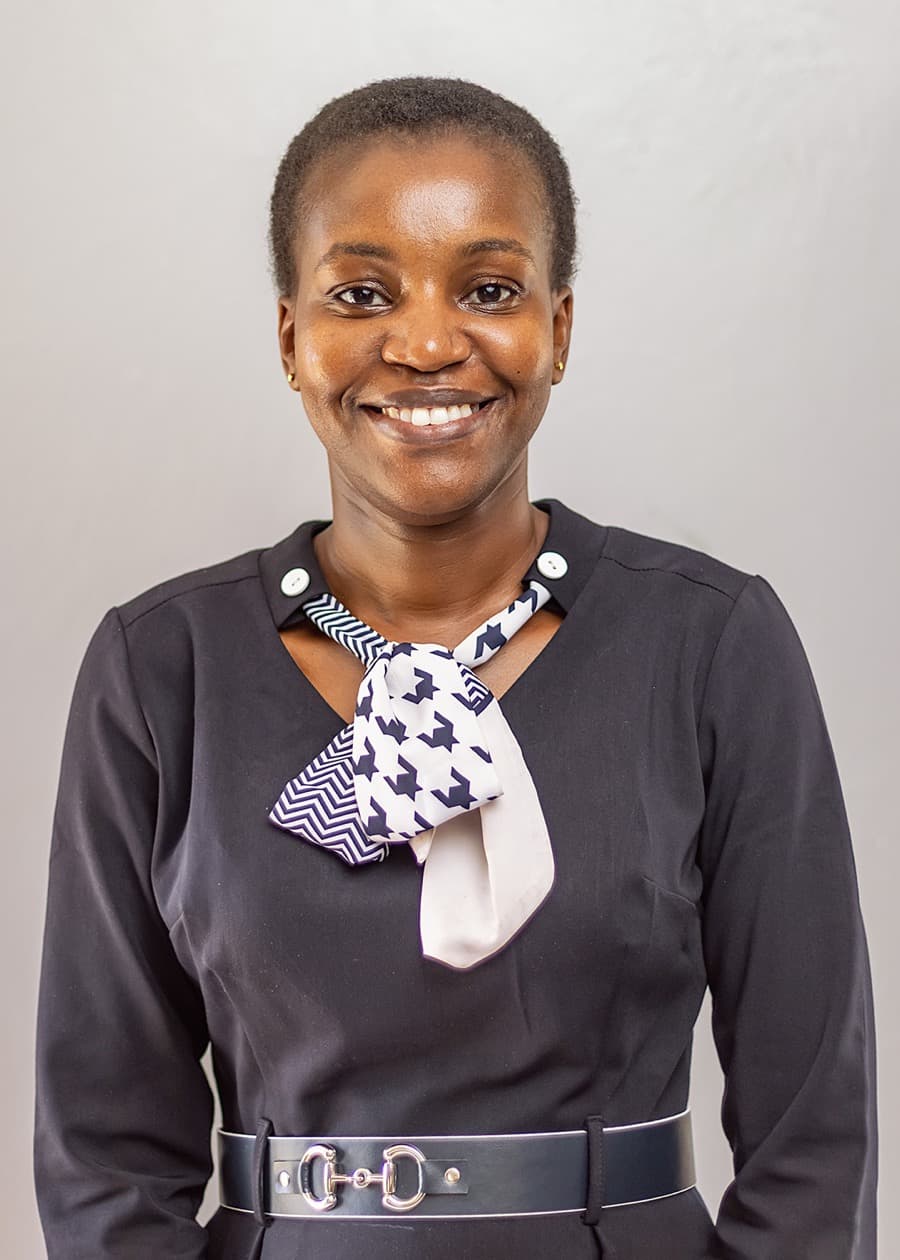
Priscah Mongera
Founder & Executive Director
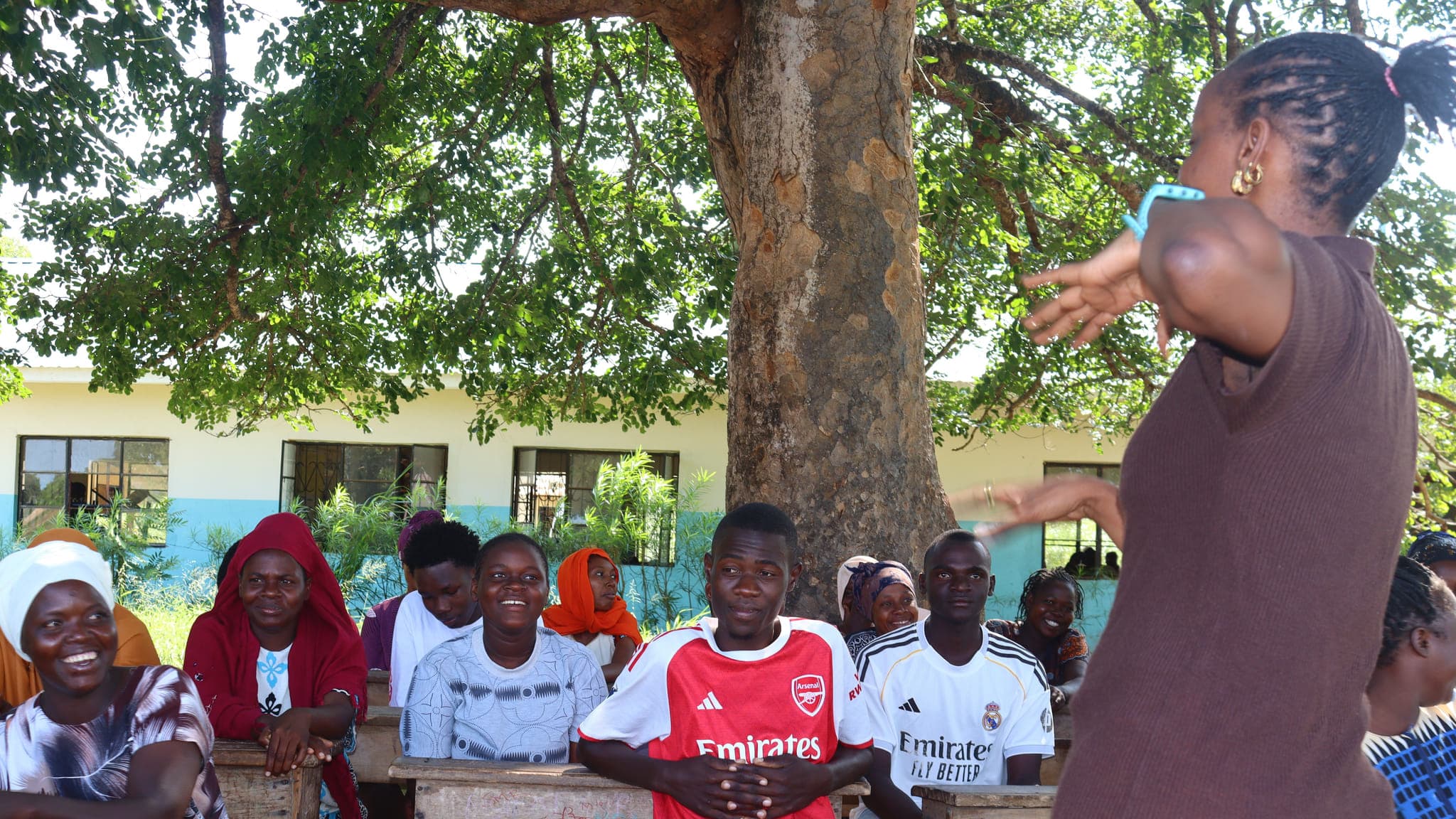
GGI was not started by an organisation that arrived in Vanga. It was started by women who live here, around a problem they could name from their own classrooms.
2022
Fifteen young women from Vanga ward, Lunga Lunga sub-county, formed a community-based organisation to advance the right of girls to access education.
The first goal
The founding goal was narrow and measurable: that every girl in the schools we work with would move from primary school to secondary school. In the last KCPE cohort, which sat in 2023, all of them did.
As we grew
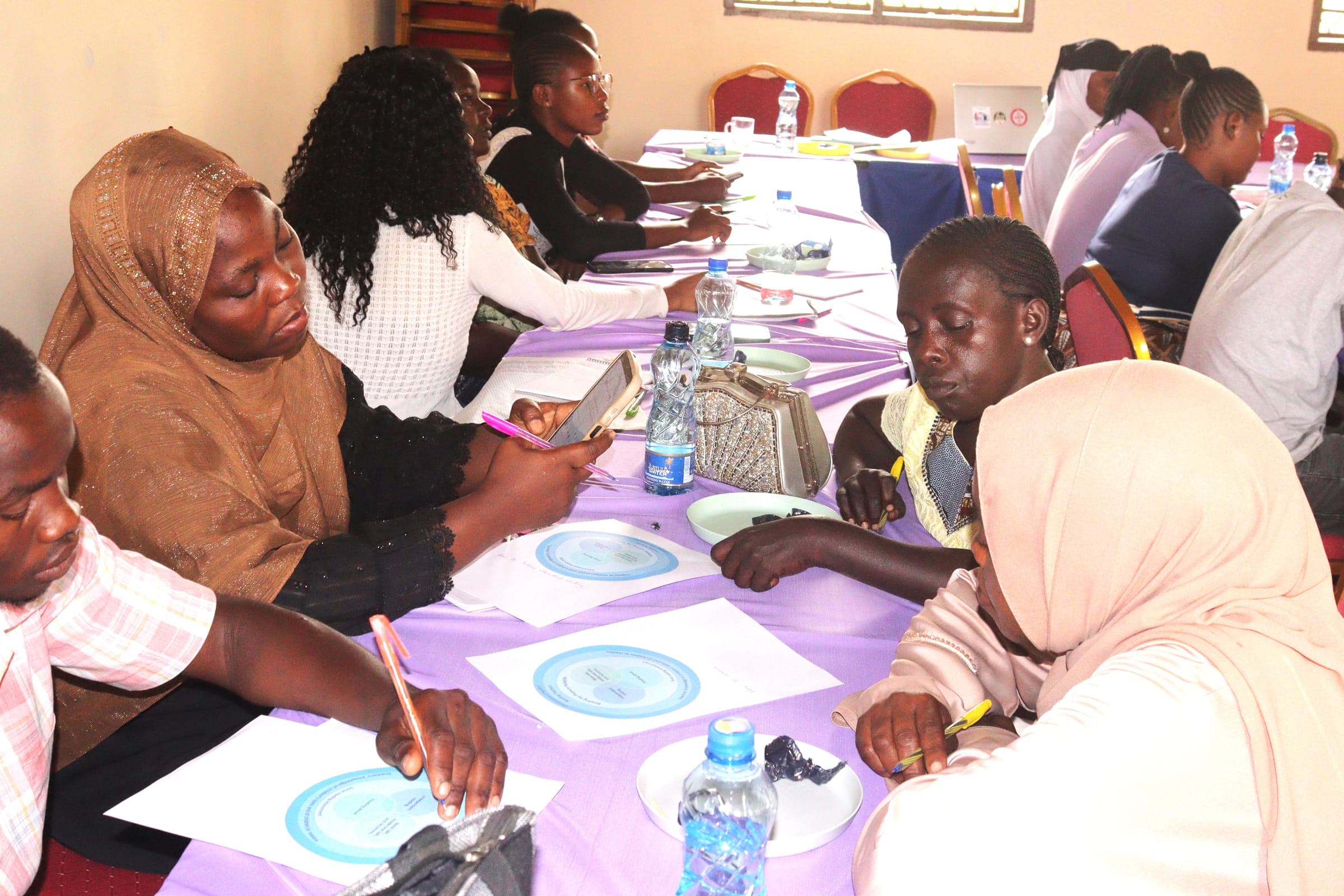
One goal became six connected parts: literacy camps, mentorship, parents awareness, advocacy campaigns, safeguarding and GGI na Vijanaa. Keeping a girl in school turned out to depend on all of them.
Today
The mission has widened to the issues facing female learners in particular, and learners in general, in schools around Lunga Lunga. Over 200 young people have been trained in policy advocacy alongside it.
GGI was founded to close one gap: girls dropping out between primary and secondary school in Lunga Lunga. Everything we run traces back to that, and to the commitments we have put in writing.

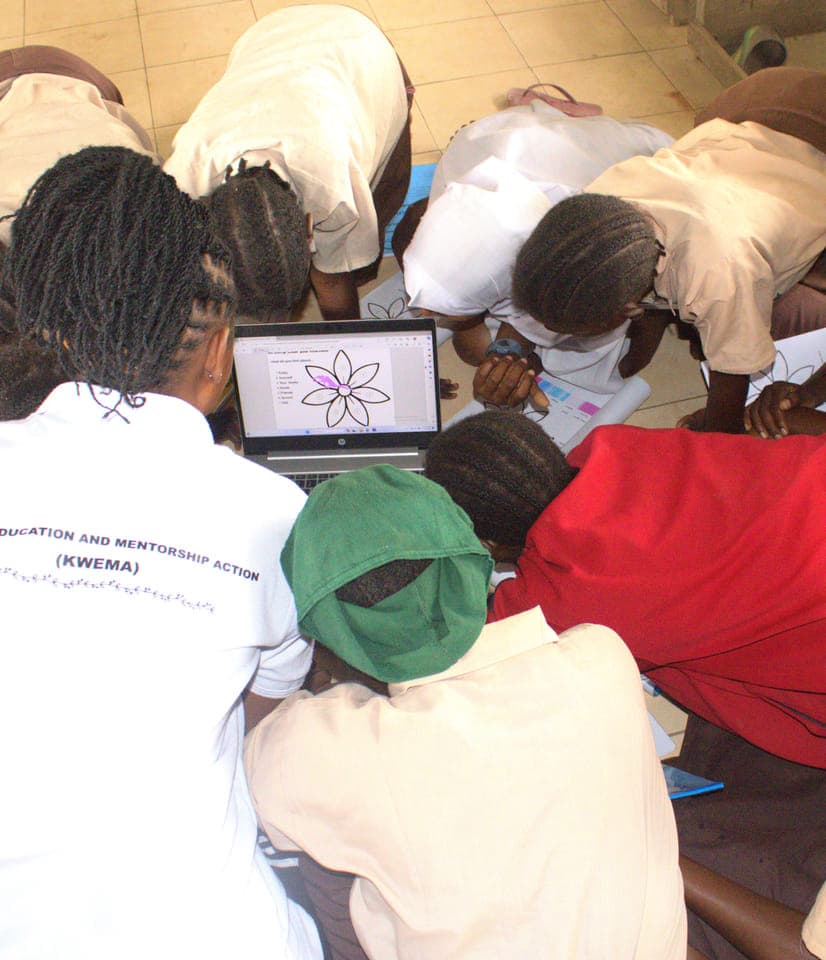
To create safe spaces that foster girls' education through advocacy, mentorship, and the provision of technical skills.

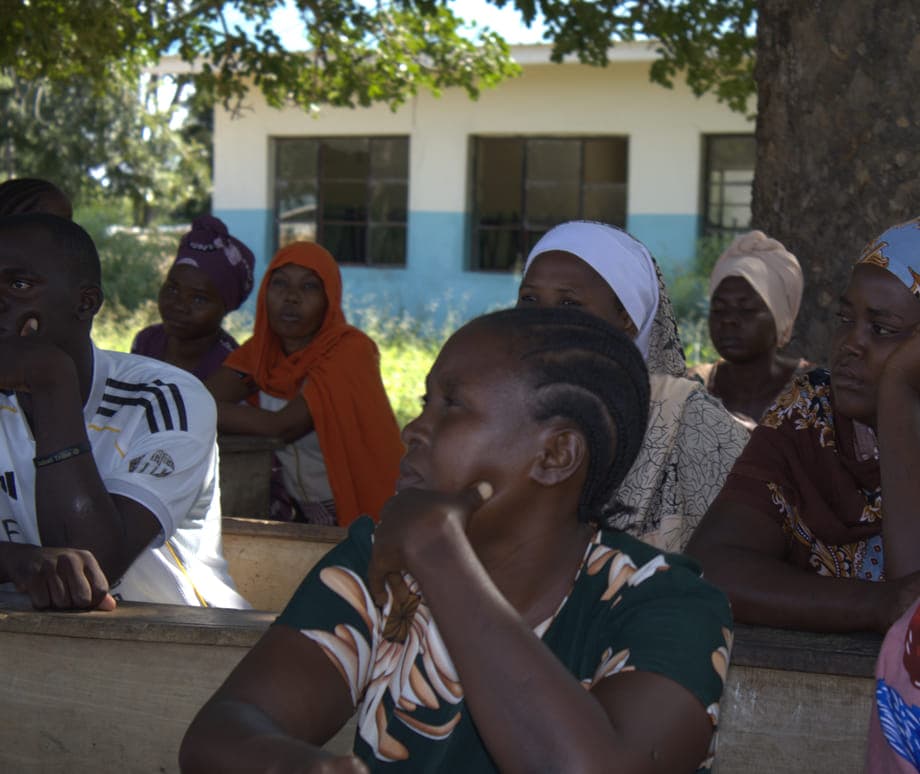
To narrow the gender gap in education by inspiring a community of leaders who are agents of sustainable change.
Reduce the gender gap in access to education
Increase women's and girls' participation in leadership, policy and advocacy
Strive to eliminate the harms that prevent women and girls from enjoying their human rights
Create an environment that enables women to access work, build their capacity at work, and advance their economic status
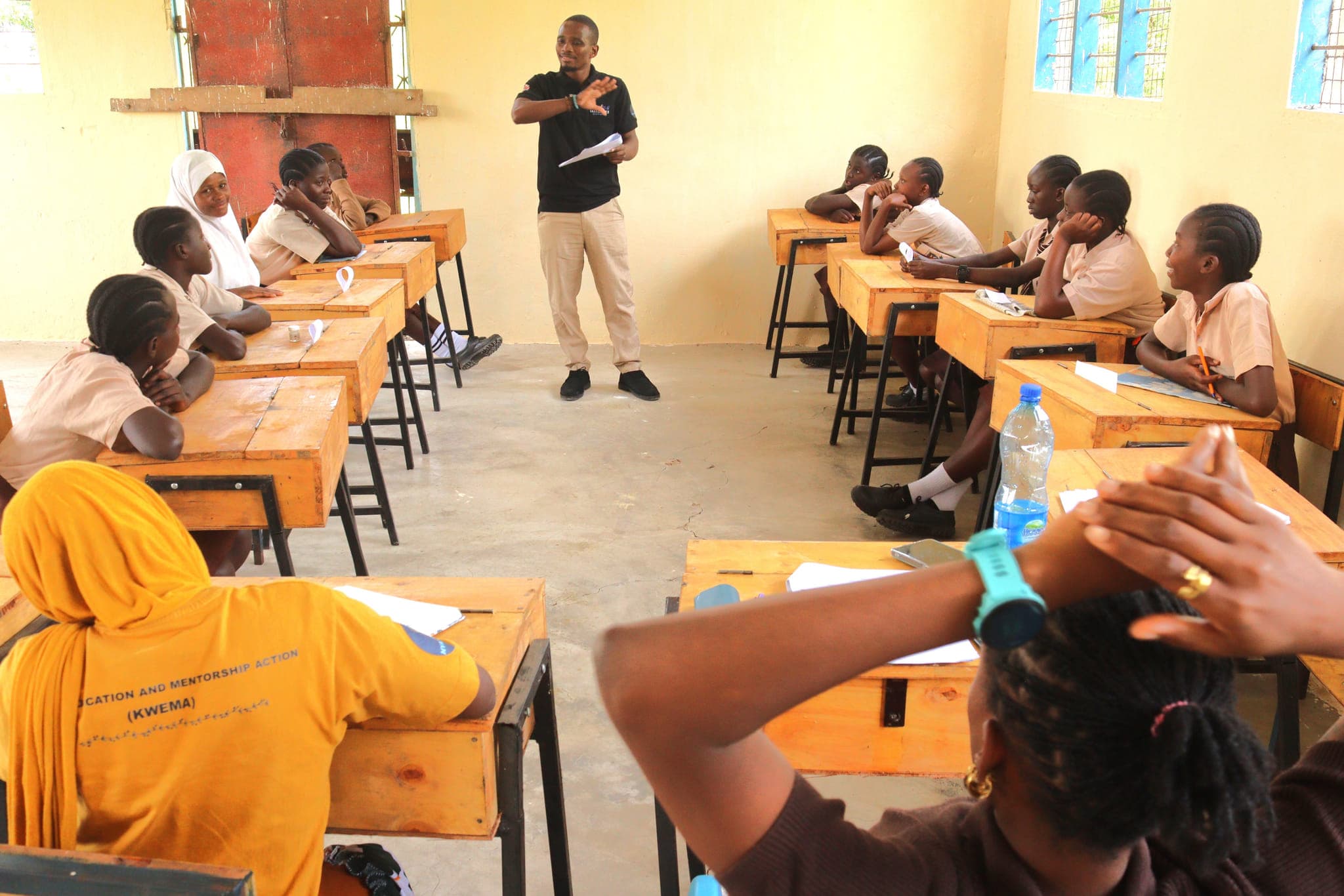
Our constitution allows us to undertake activities in one service area and nowhere else. That is a limit we chose: it keeps the programme close enough to the schools and families running it to be answerable to both.
Registered with the Kwale County Government and the Ministry of Gender and Social Services, Lunga Lunga sub-county. Literacy camps and mentorship sessions run inside the school schedule, agreed with the schools and the Ministry of Education.
Our Gender Policy 2024–2028 came out of an independent assessment of the CBO, training from the SBC consultancy through the Mastercard Foundation, and consultation with our members, advisory board, staff and champions.
All genders benefit from our policies, programmes and activities, with deliberate steps to include those facing multiple, intersecting barriers.
Age, ethnicity, economic status, disability and place of origin all shape a person's experience. We account for how those identities collide.

We consult our members and everyone our programmes affect, and commit to gender balance in staffing, activities and evaluation.

Dismantling gender norms carries risk. We consult every community we work with and put participant safety and protection above all else.

Gender inequality is not ours to solve alone. We work with government, the private sector, civil society, researchers and individuals.
GGI is a membership organisation with a written constitution, a gender policy and safeguarding commitments. These are the parts that decide how we behave when nobody is watching.
Ask us anythingA not-for-profit community-based organisation with its own legal personality and perpetual succession, operating under the Constitution of Kenya, the Public Benefits Organisations Act and the Community Registration Act, and under Kwale County regulation.

Members elect a four-person management committee for two-year terms: chairperson, vice-chairperson, secretary and treasurer. Nobody may serve more than two terms in a row. The committee meets at least six times a year and cannot sit without three of its members present.

The financial year runs 1 July to 30 June. No funds are paid to members as profit, accounts are audited internally where a member has the skills and externally where they do not, contracts are awarded competitively under a procurement policy, and the community is told what has been received.
Every member must disclose personal, financial or professional interests that could affect their judgement, and abstain from the discussions and decisions those interests touch.
We work under a safeguarding policy and a policy on protection from sexual exploitation and abuse. Facilitators are trained on gender mainstreaming, safeguarding and child protection before they work with learners, and participant safety comes before any programme objective.
A gender committee meets quarterly and runs a complaints channel that stays open all year. It is chaired by our gender focal person, alongside a school patron, a student representative, a youth champion and a staff member. Cases needing counselling are referred to Wazi, and legal matters to the Kwale Court Users Committee.
GGI is run by a small team from the community it serves, supported by teachers, community champions and young volunteers trained on safeguarding and child protection.
Work with usFounder & Executive Director
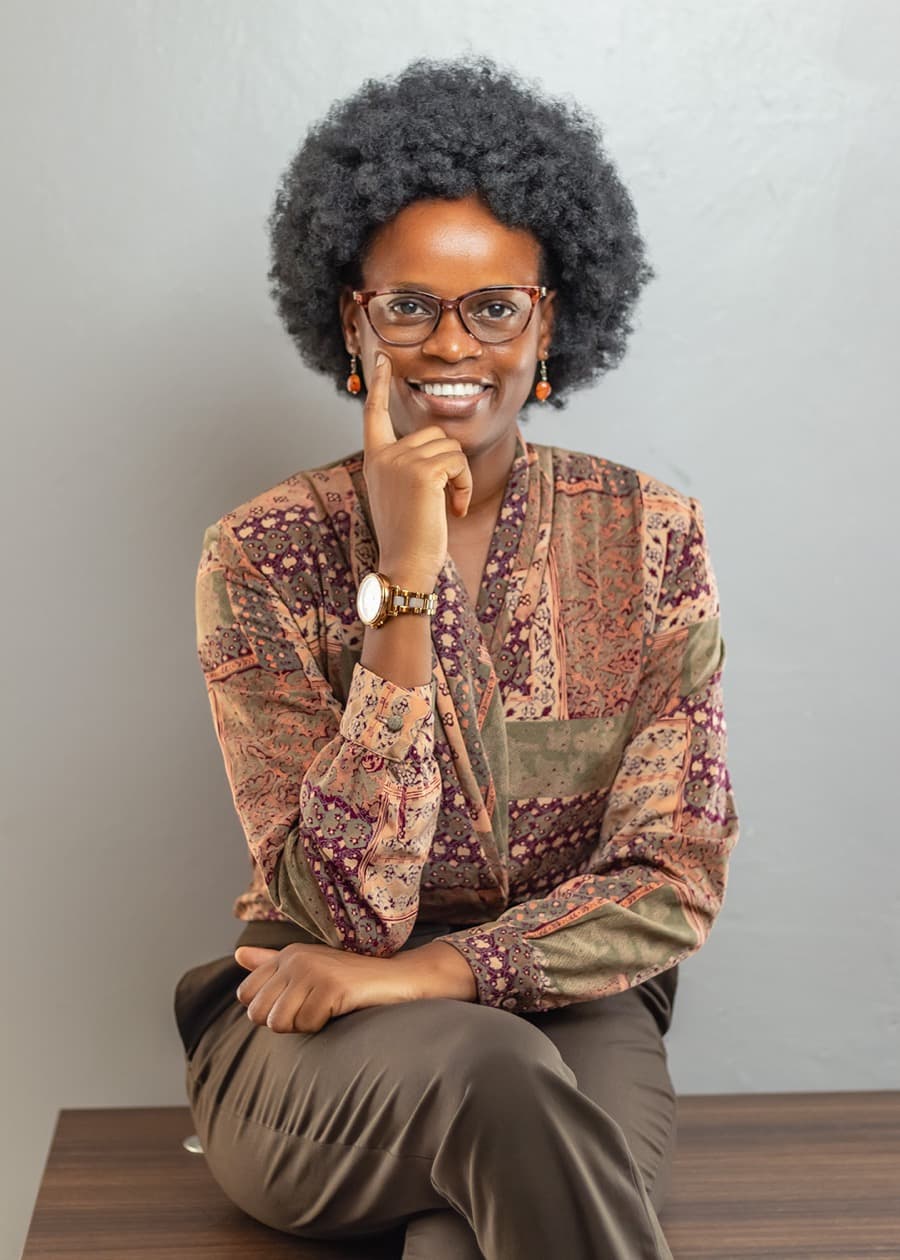
Founder & Policy Advocacy and Communications Manager
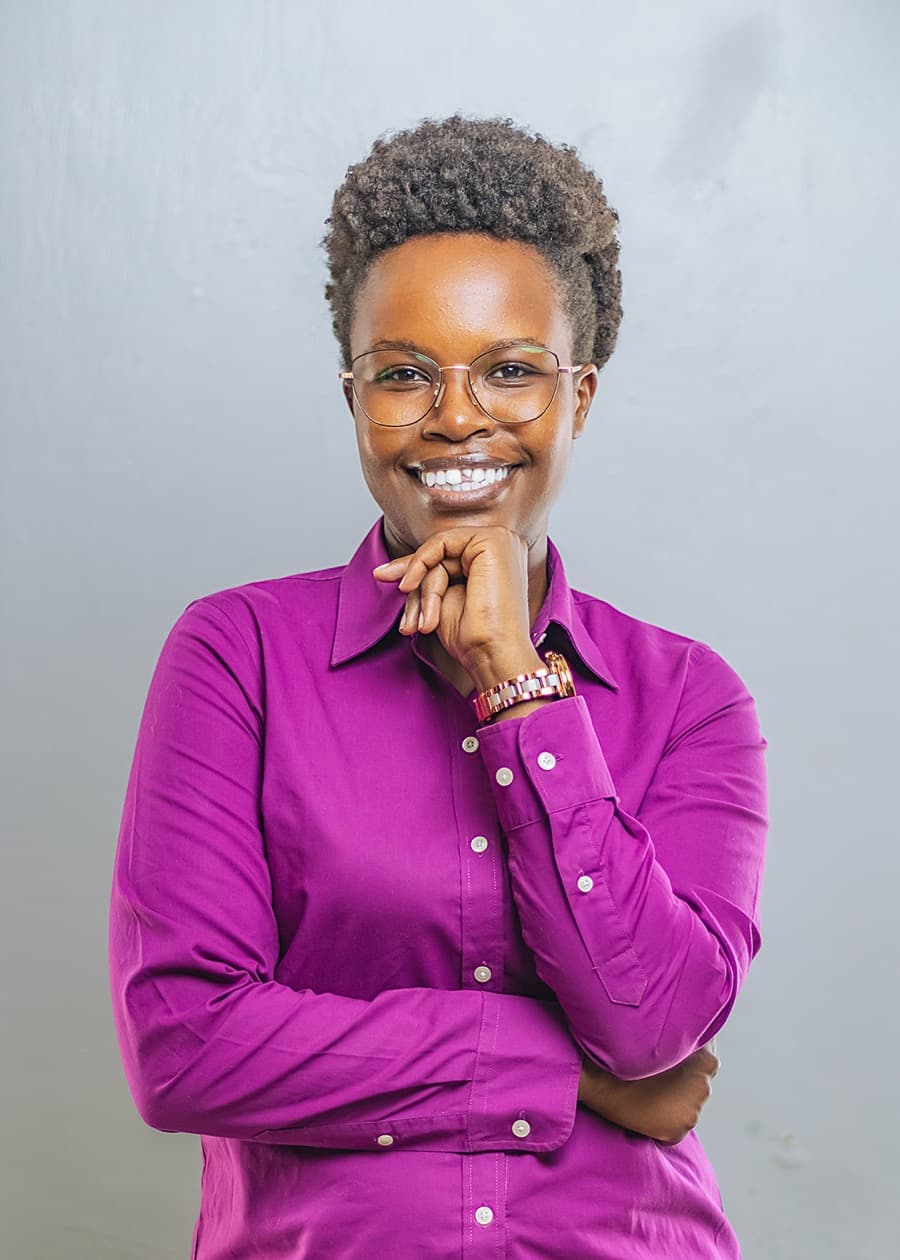
Programs Manager
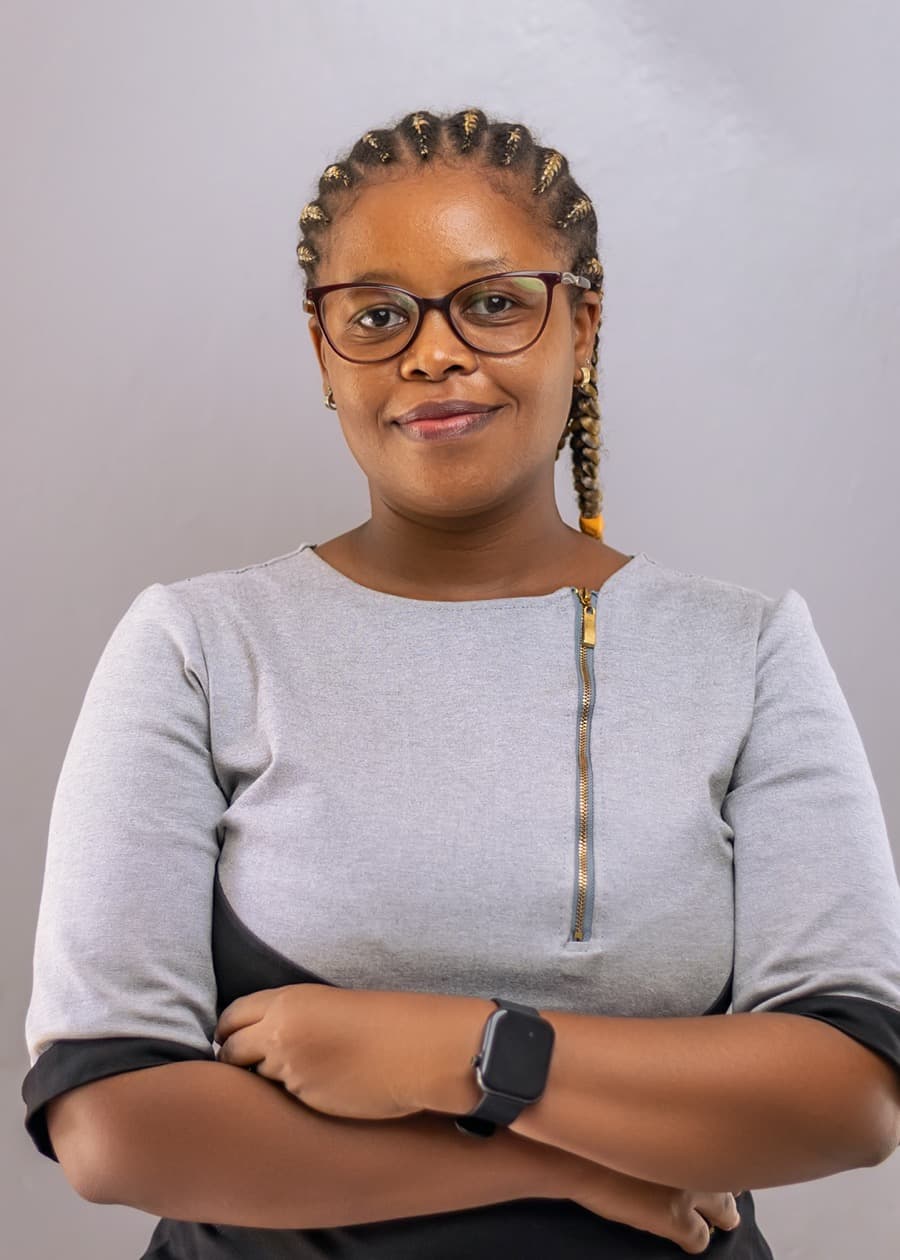
Project Accountant
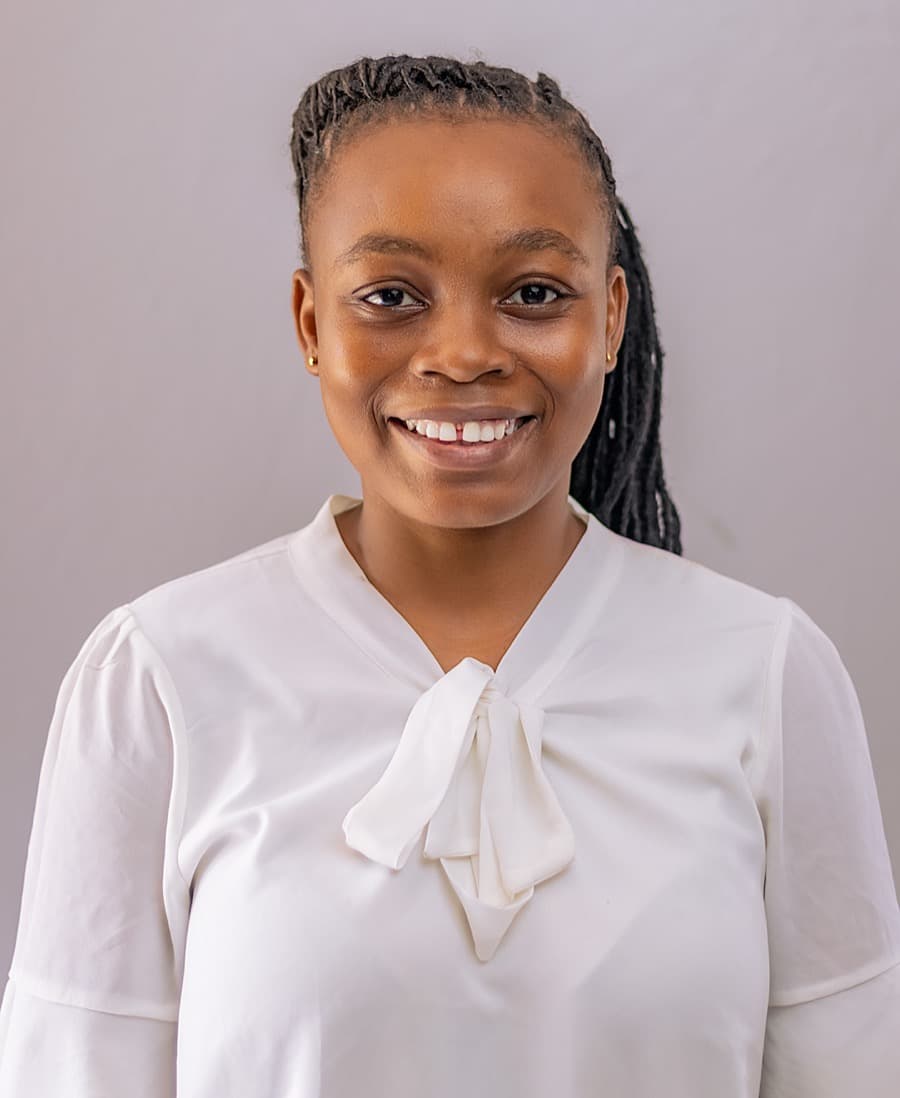
Project Officer
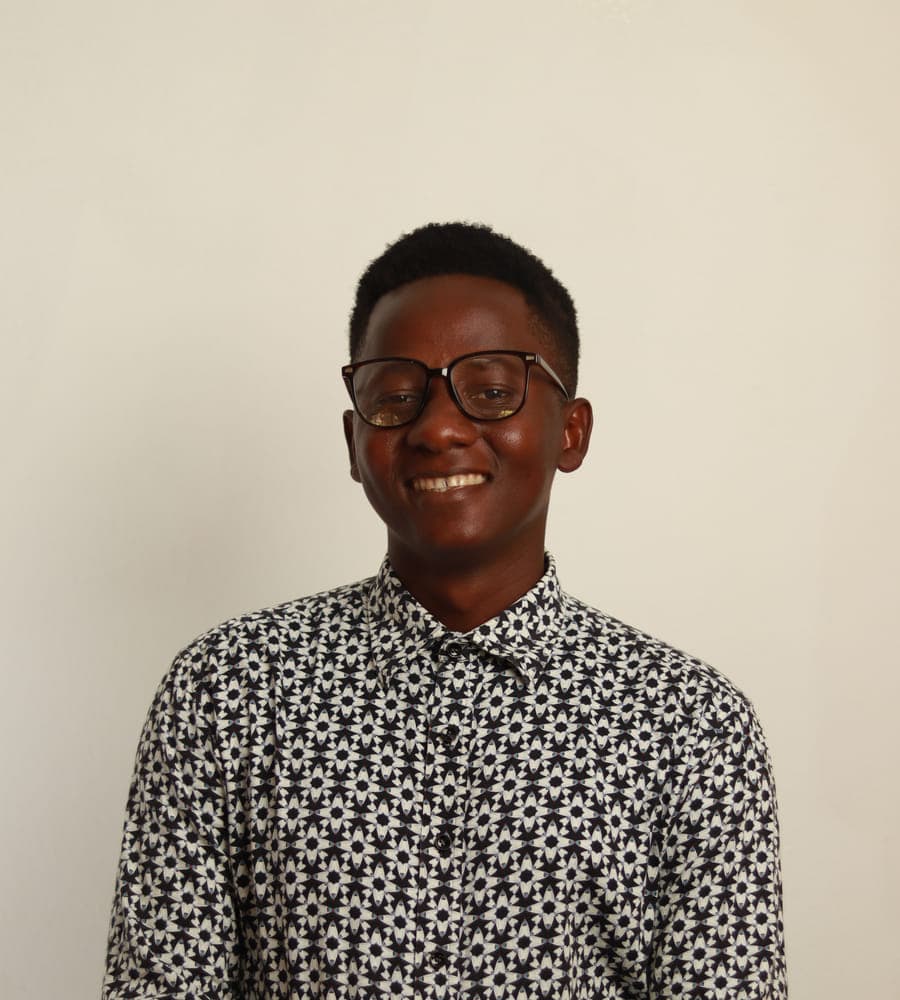
Communications Assistant