
 Literacy
The KWEMA Programme
Kwale Education and Mentorship Program
KWEMA is how we work. Six parts that follow a learner from a Grade 4 literacy camp through to Grade 7 mentorship, with parents, schools and local government in the room throughout.
Talk to us about KWEMAResults so far
- 75%
- average improvement rateLearners moving up at least one literacy level during a camp.
- 100%
- moved on to secondary schoolGirls across all five schools, in the 2023 KCPE cohort.
Why This Work Exists
What girls in Lunga Lunga are up against
This is what the schools and families we work with are dealing with, and it is what KWEMA was built around.
- Literacy
 Expectations
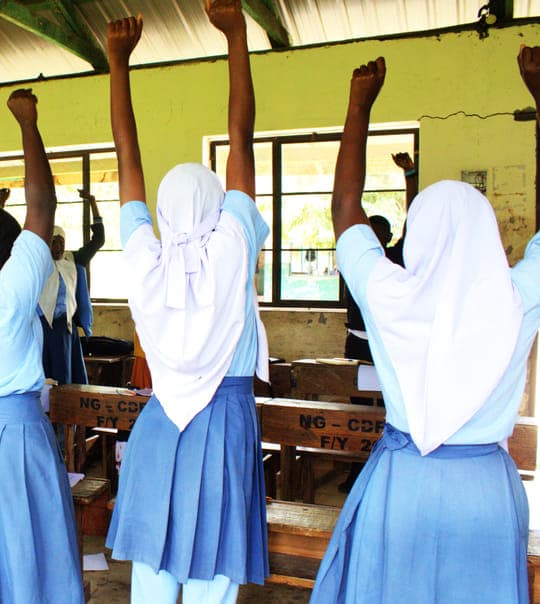
A community where a girl's future is still assumed to be marriage and children
 Safety
A continuing cycle of gender-based violence, FGM, forced marriage and teenage pregnancy

Bring KWEMA to your school, or campaign with us. Get in touch
How KWEMA Works
The six parts, one at a time
Each one below has its own page, its own numbers and its own photographs. They are pieces of a single programme though, not six separate projects, and most learners meet more than one of them.
Component 01
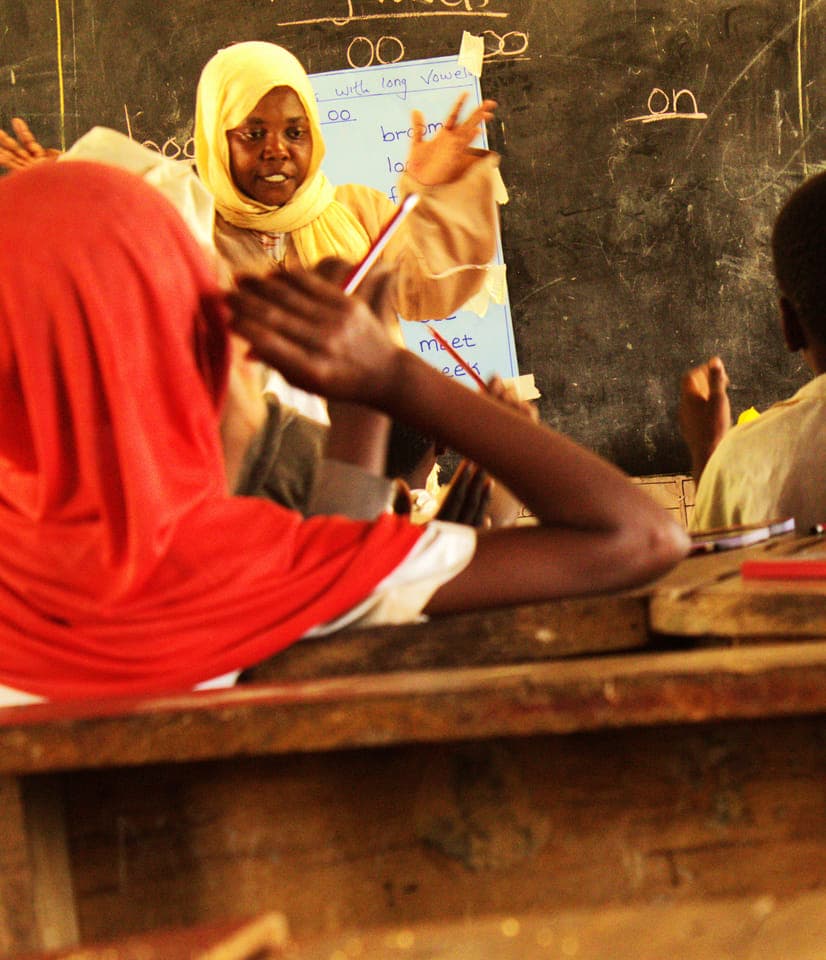
Literacy Camps
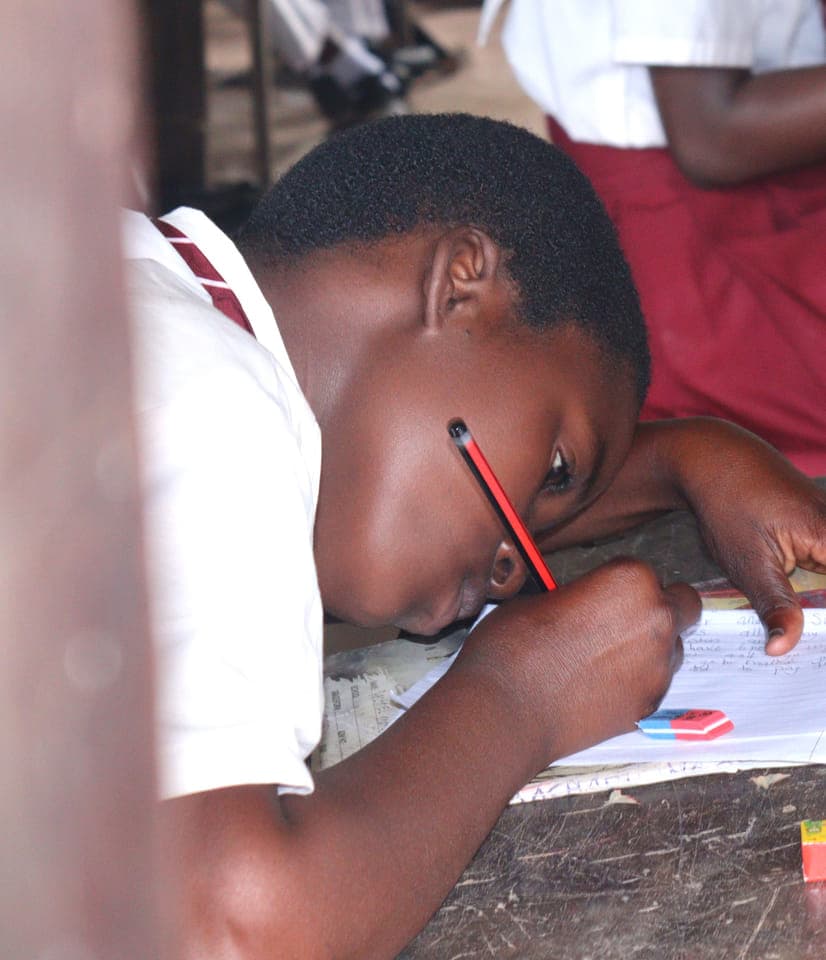
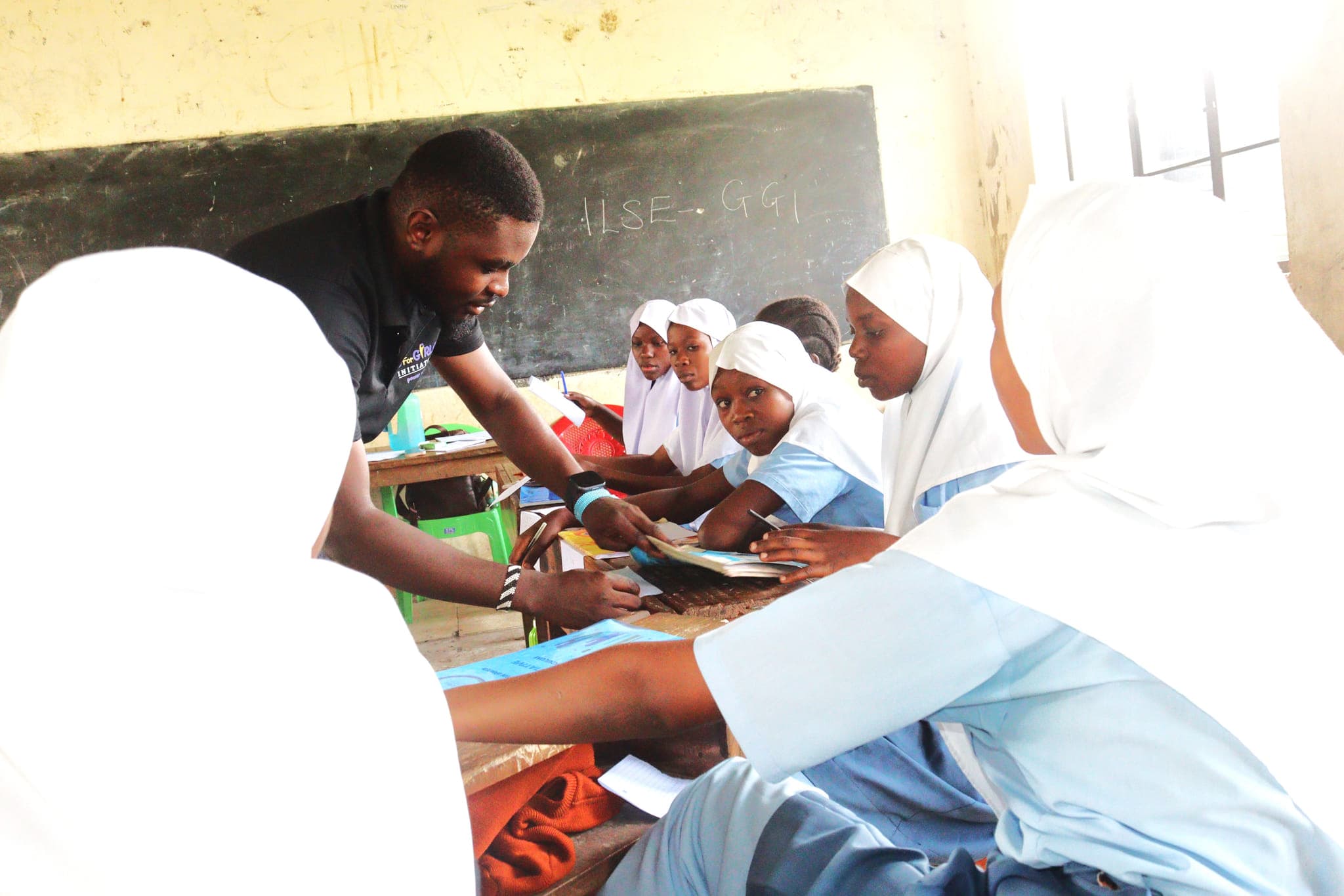
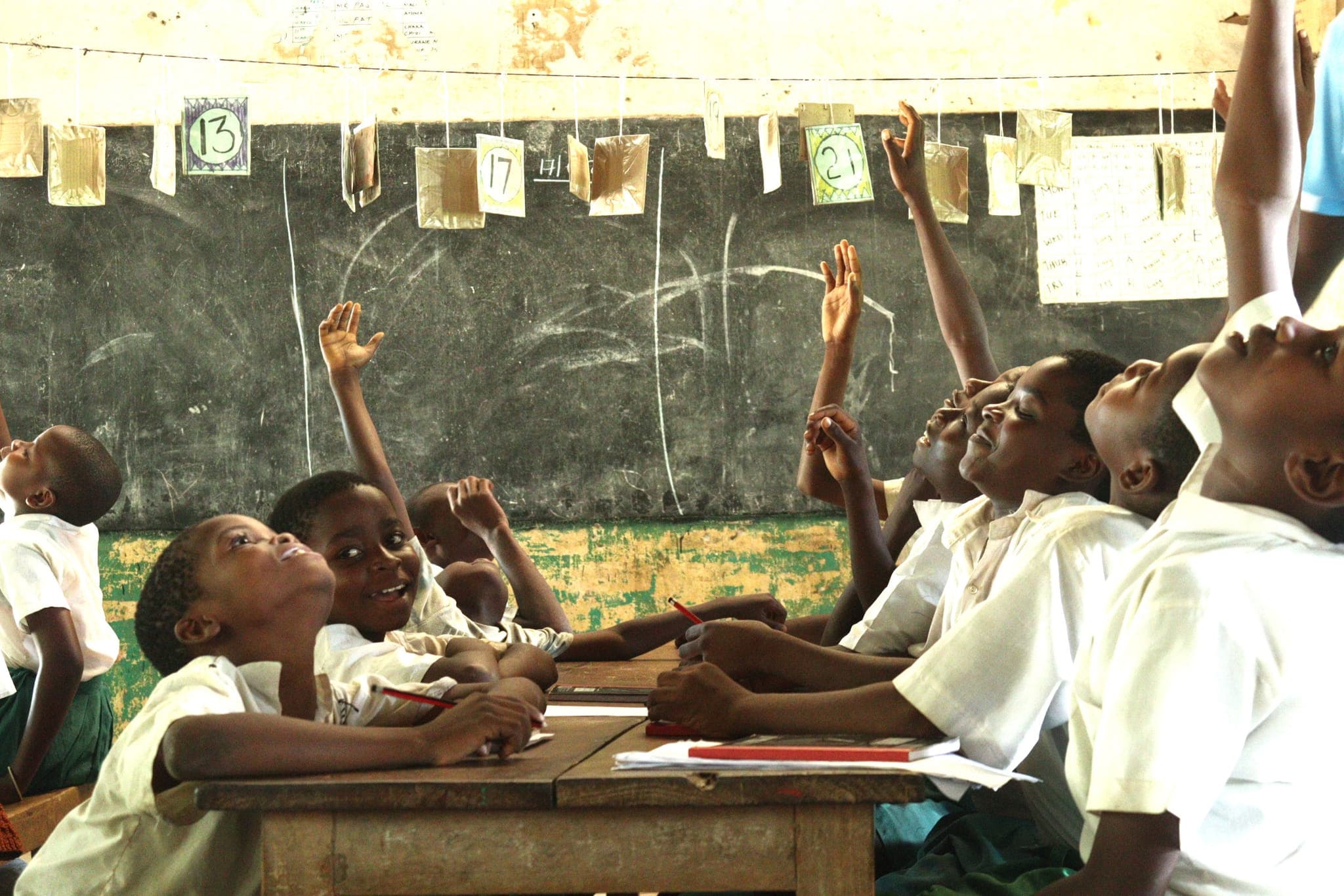
A child is considered literacy-poor if they cannot read and write after the foundational classes, Grade 1 to 3. In the five schools we work with in Vanga ward, over 80% of learners are still at beginner level. Literacy camps give Grade 4 learners the time and attention to catch up.
We partner with Nyansapo AI to assess every learner and place them at Beginner, Letter, Word, Paragraph or Story level, then build sessions around each group. Camps are facilitated by teachers and young volunteers from the community, all trained on our literacy implementation guide, gender mainstreaming, safeguarding and child protection before they work with children.
The guide covers phonics, phonemic awareness, vocabulary, fluency and comprehension, following the basics of reading and writing recommended by the Kenya Institute of Curriculum Development. Because GGI provides food during the camp, absenteeism drops. On an ordinary day, 10 to 20 learners would be missing from school.
- Who
- Grade 4 learners
- Length
- 1 hour a day for 25 days
- Assessment
- Midpoint and end of camp
- Result
- 75% average improvement
Component 02
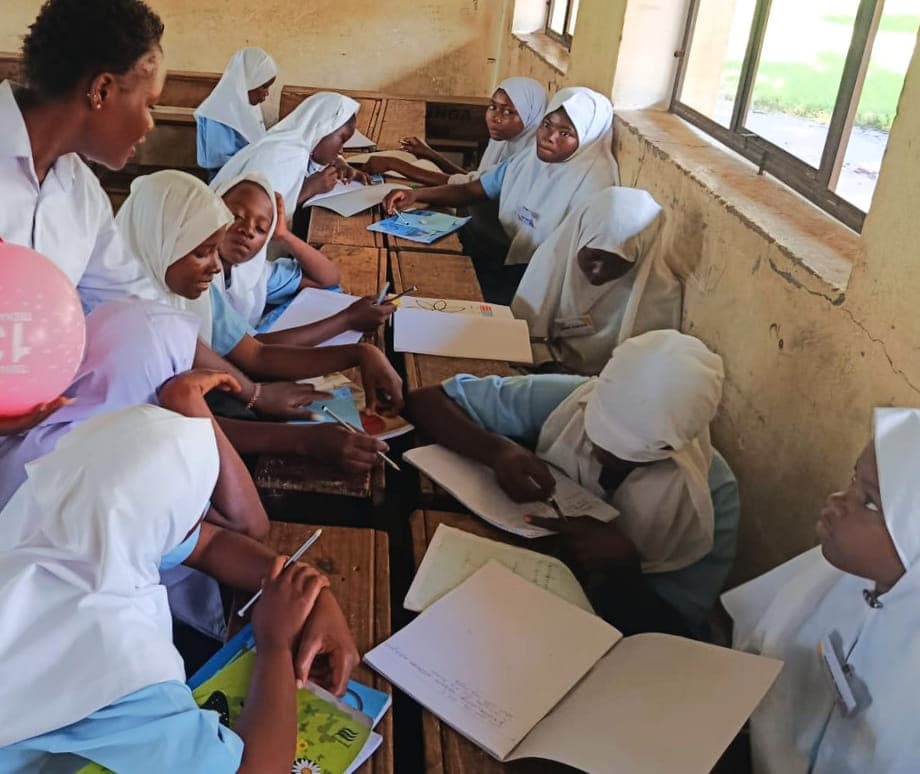
Mentorship
Vanga is a deeply patriarchal community, and it still narrows what a girl's life is expected to be: marriage, childbearing, being a wife, and basic education if she gets that far. Mentorship exists to show girls that their environment does not decide their future.
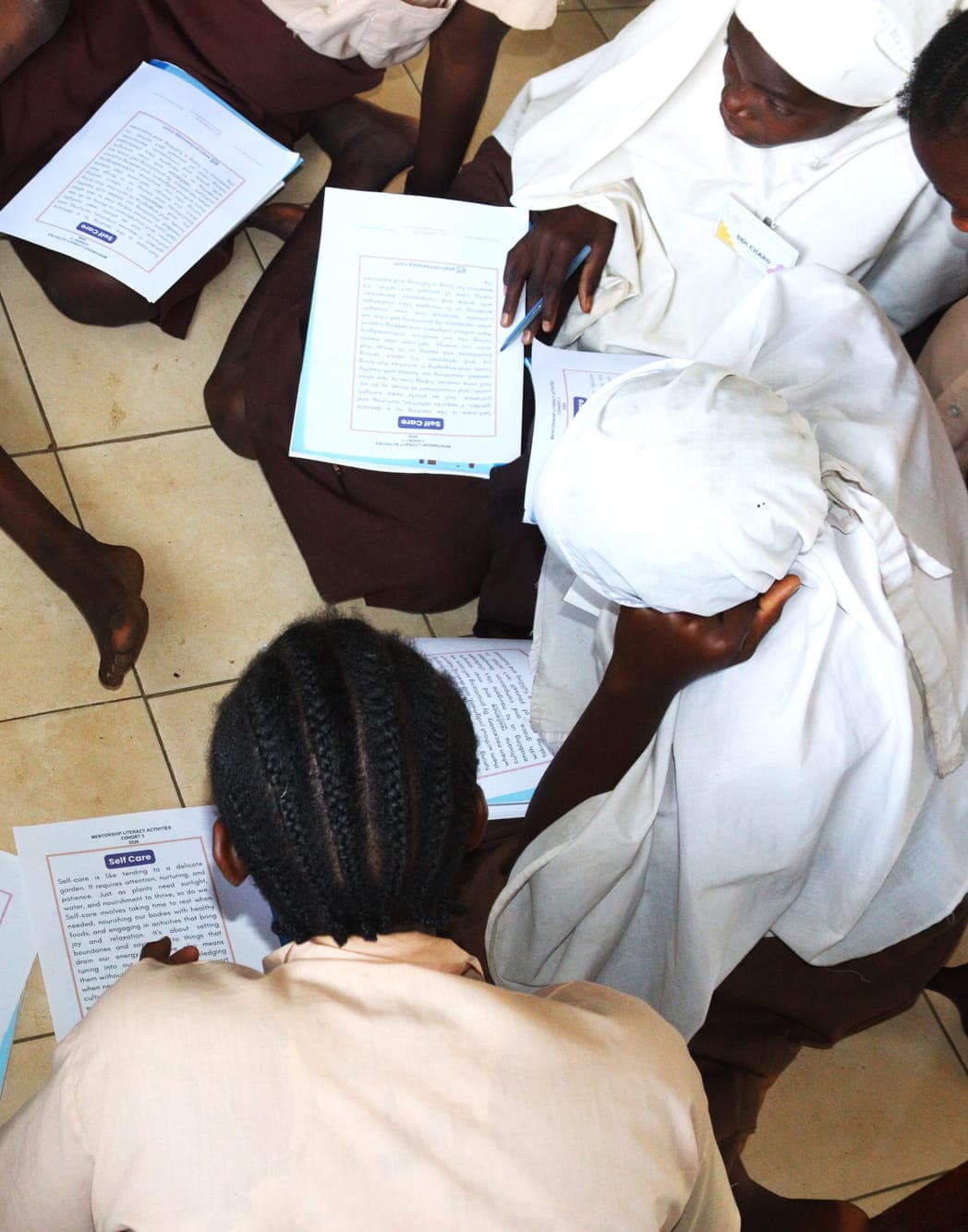
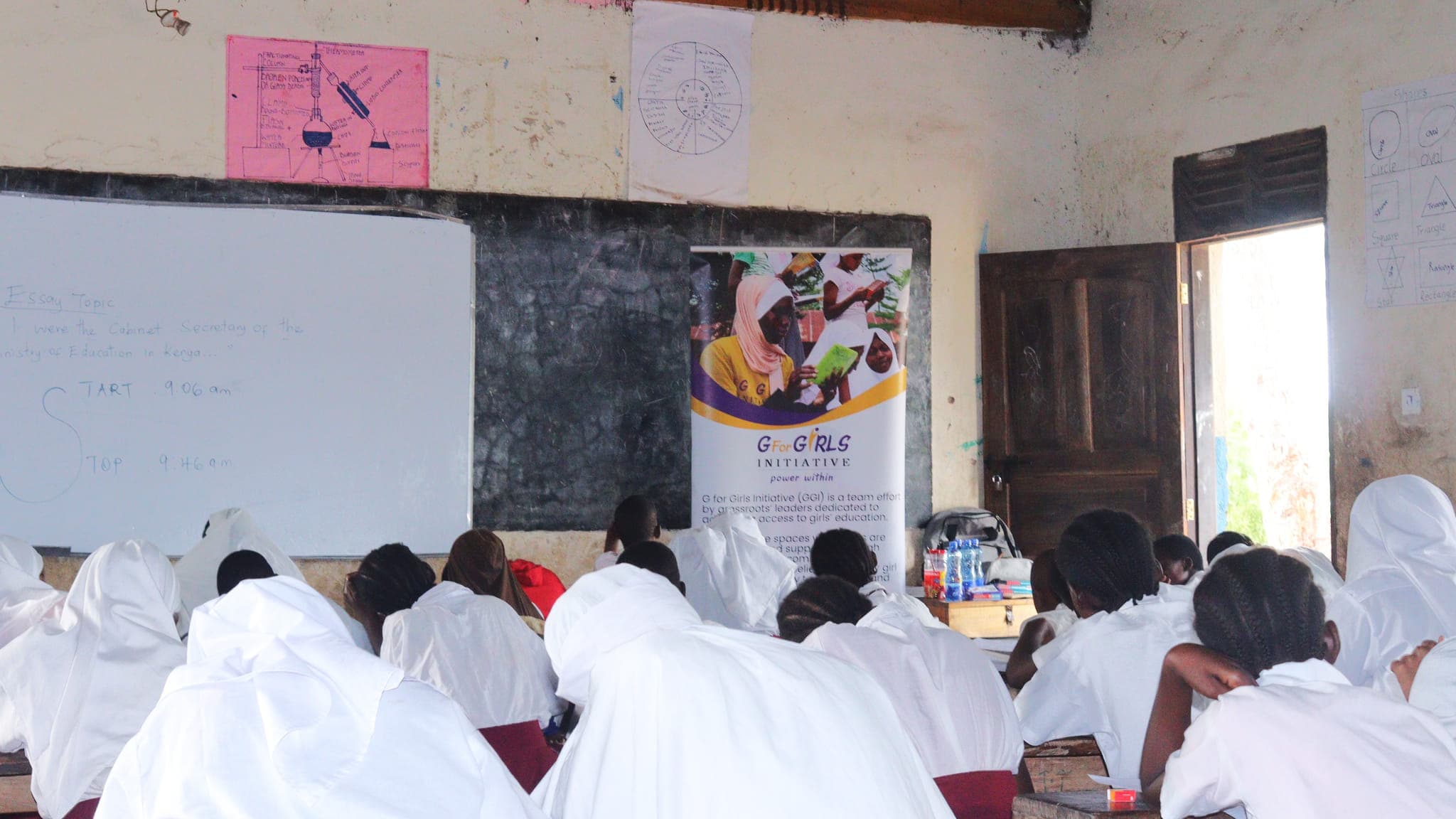
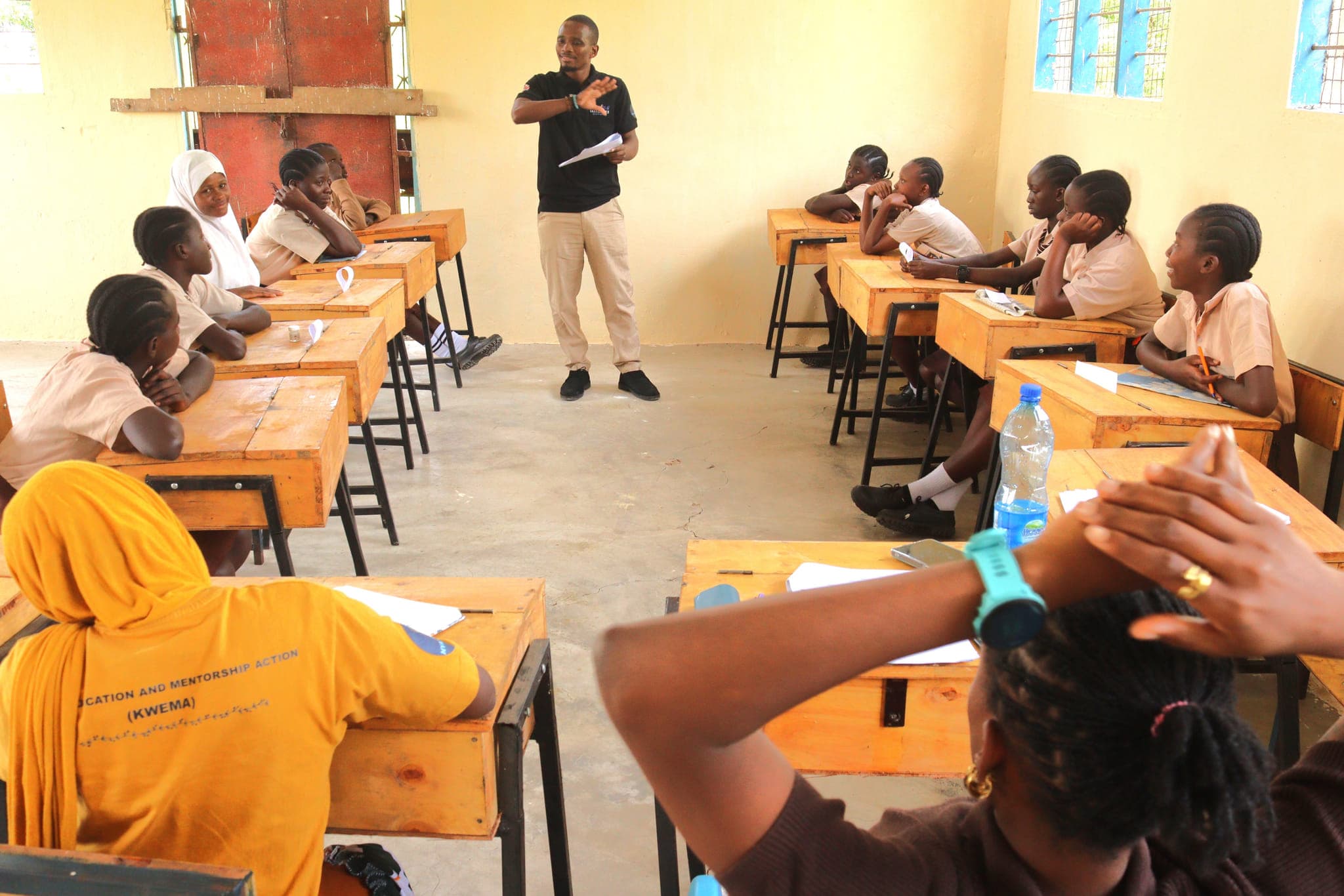
Sessions run in schools for Grade 7 girls, led by community champions who also advocate for girls' rights locally. We designed the curriculum for this community: self-awareness, stress management, puberty and menstruation, menstrual hygiene, teenage pregnancy, girls' rights, and how to become a leader.
Grade 7 literacy sessions run alongside, because some girls still cannot read and write at the level their age and grade expects. Combining the two builds enough confidence to speak up in the sessions, in the classroom, and for themselves.
- Who
- Grade 7 girls
- Led by
- Community champions
- Result
- 100% transition, 2023 KCPE cohort
- Scope
- All five schools
Component 03
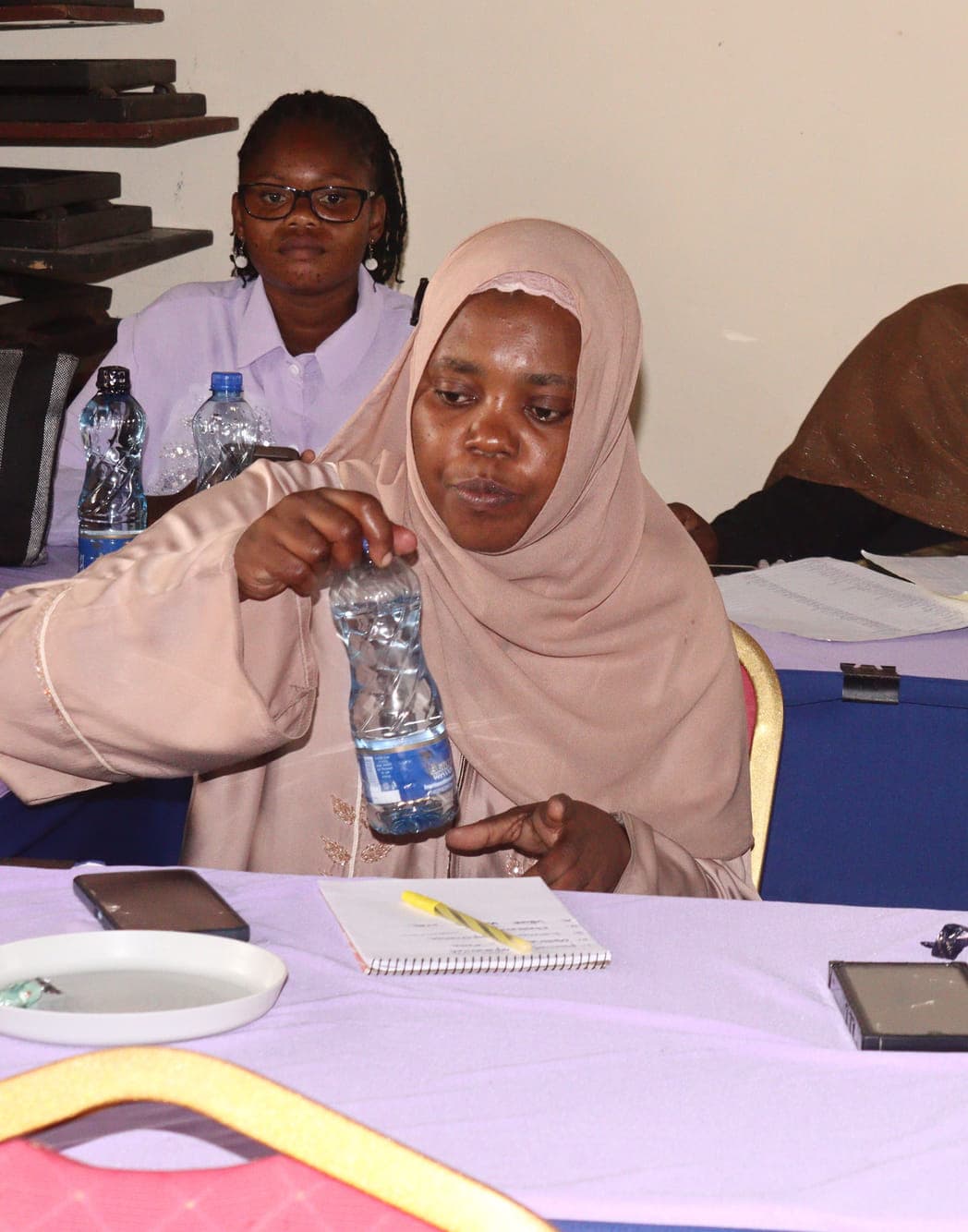
Parents Awareness
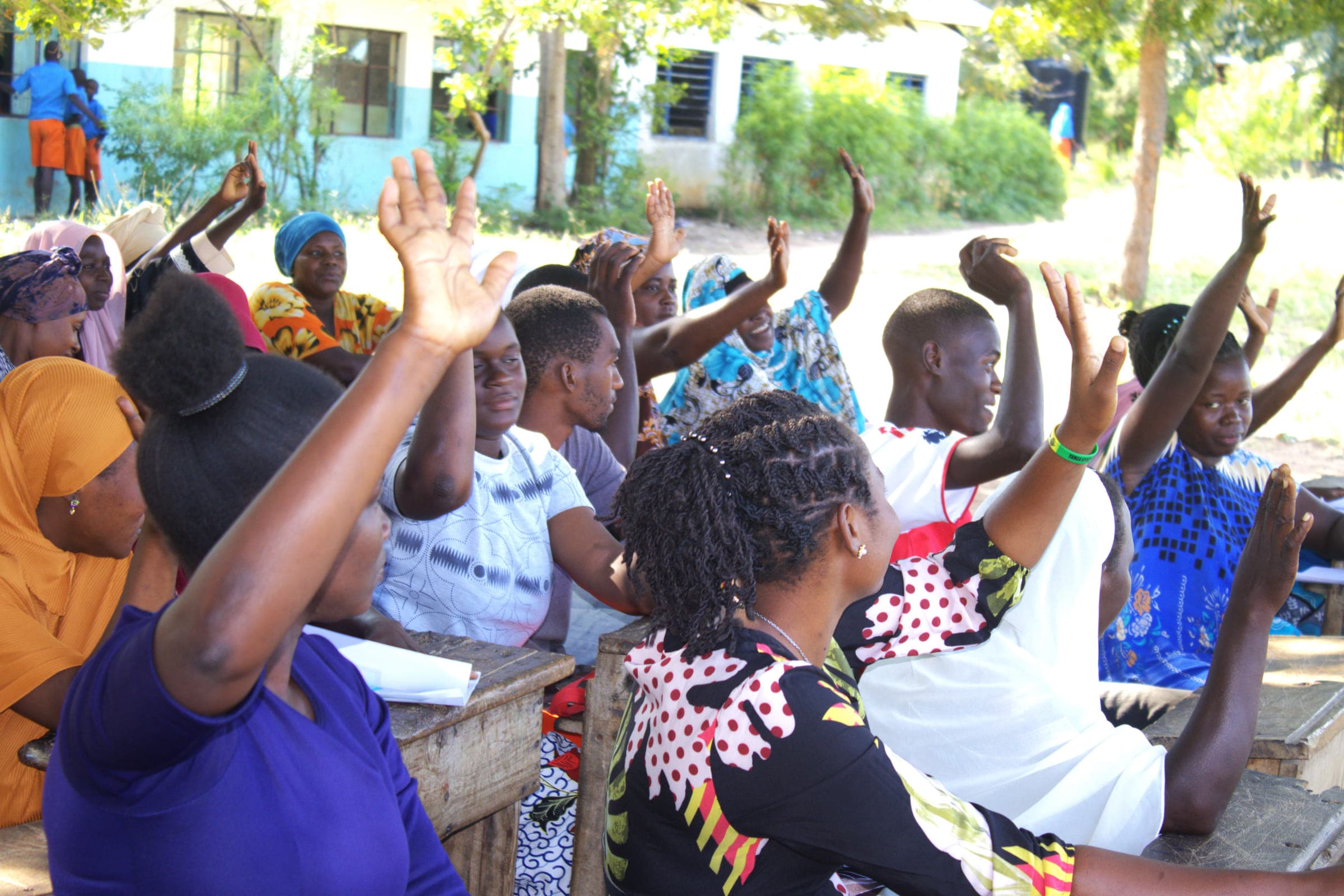
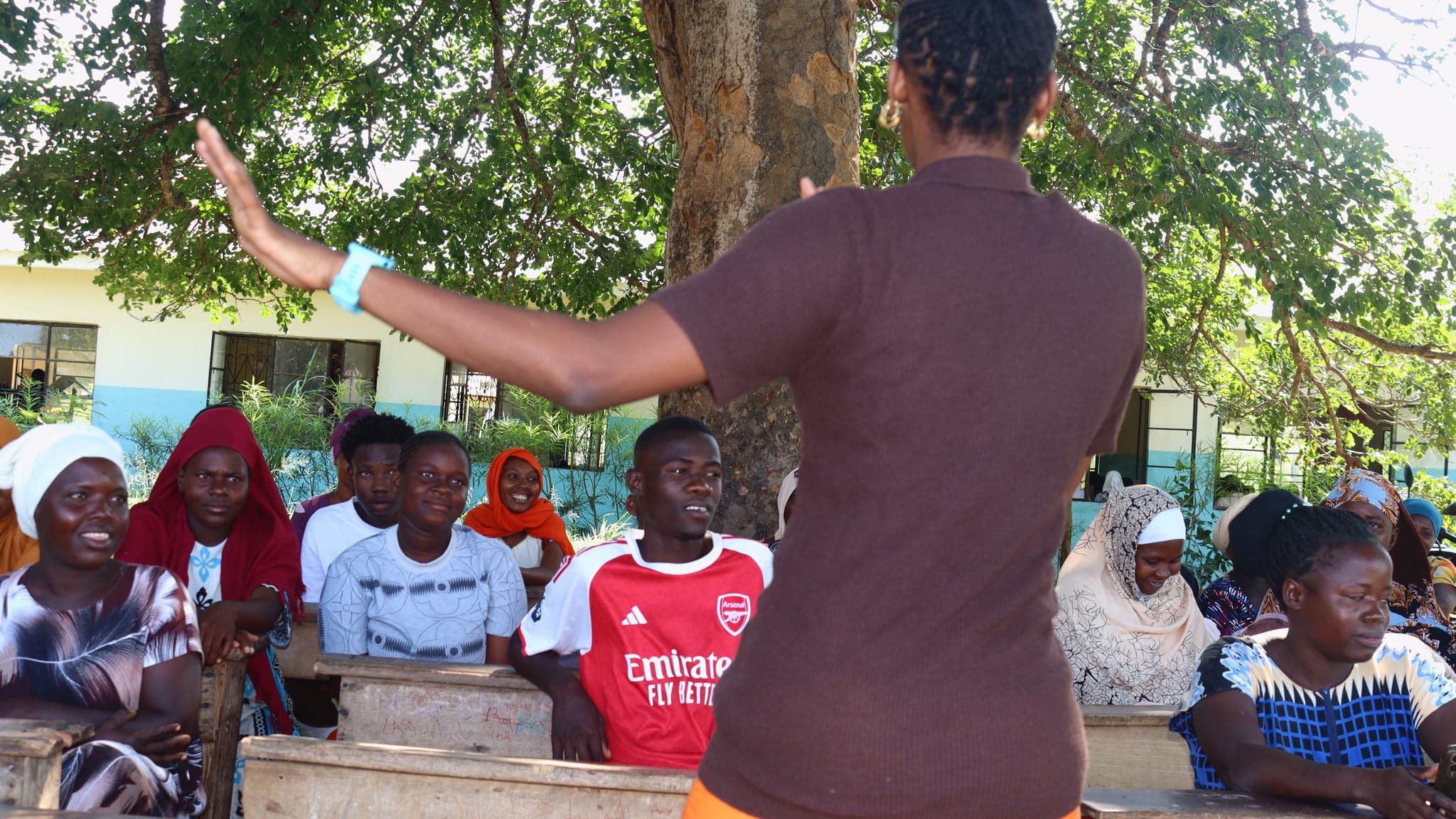
Children are under parental care, so KWEMA only works if parents are part of it. Together with the schools we hold meetings for Grade 4 and Grade 7 parents before each cycle begins, to gain consent and ask for their support.
The focus is child rights, and how to support a child to stay in education. Many children face neglect and abuse and their parents do not seek help or report it. We hold these meetings alongside the Directorate of Children Services, the Ministry of Interior, and Probation and After Care Services, so that questions get answered on the spot by the people who handle these cases.
That has changed how the community understands the justice system and what government does for children. It has also changed how willing parents are to report a safeguarding concern.
- Who
- Grade 4 and 7 parents
- When
- Before each programme cycle
- With
- Directorate of Children Services
- And
- Ministry of Interior, Probation and After Care
Component 04
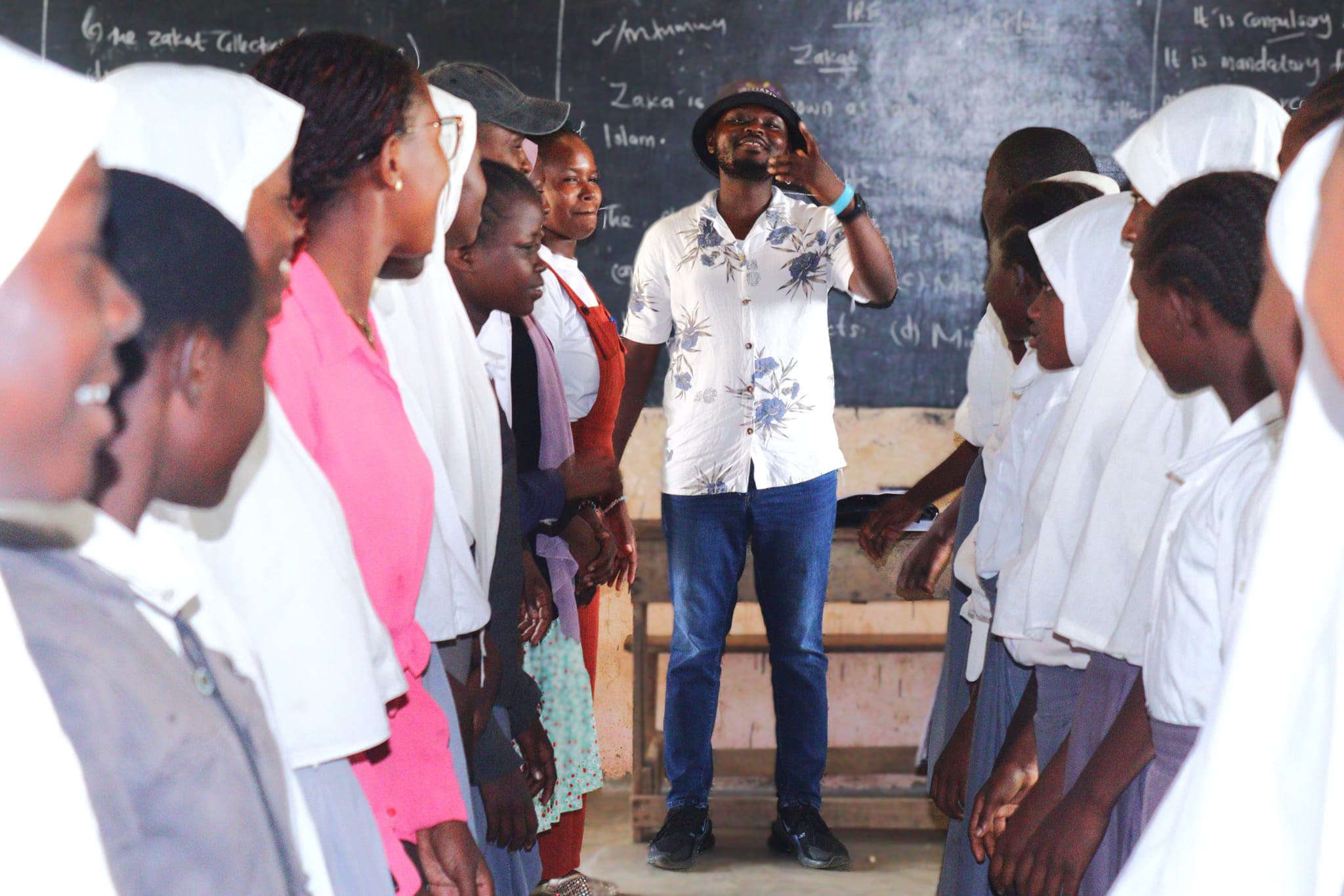
Advocacy Campaigns
To advance girls' rights in education, and the other issues that affect their wellbeing, GGI runs campaigns on the calendar days that carry weight locally.
We partner with other stakeholders to build each campaign around the theme of the day: Menstrual Health Awareness Day, the Day of the African Child, the International Day of Education, International Literacy Day and the 16 Days of Activism among them.
- Frequency
- Five key calendar days, and others
- Approach
- Built with local partners
Component 05
Safeguarding
Lunga Lunga is one of the areas caught in a continuing cycle of gender-based violence and child abuse: sexual abuse, child neglect, adultification, child labour, FGM, forced child marriage and teenage pregnancy.
GGI pursues justice for child victims and survivors through referral to the court system, and provides psychosocial support. Cases needing psychological support are referred to the Wazi counselling platform, and matters of a legal nature go through our partnership with the Kwale Court Users Committee.
All of this sits under a safeguarding policy and a policy on protection from sexual exploitation and abuse, with a gender committee that meets quarterly to handle complaints.
- Referrals
- Court system and psychosocial support
- Counselling
- Wazi platform
- Legal
- Kwale Court Users Committee
- Governed by
- Safeguarding and PSEA policies
Component 06
GGI na Vijanaa
Donor funding across the NGO space is declining. GGI na Vijanaa was designed so the work does not depend on it, by building the capacity of the community to advocate for itself.
The project takes young people aged 18 to 35 who live in our area of operation through a policy advocacy programme, equipping them to champion community change through public participation. The aim is that young people work directly with local government leaders on the development projects their own community needs.
- Who
- Young people aged 18–35
- Focus
- Policy advocacy and public participation
- Since 2022
- 200+ trained
Advocacy Campaigns
The main days we campaign around
We build a campaign around each of these days with other local organisations, on girls' rights in education and on the things that get in the way of their wellbeing.
Campaign with us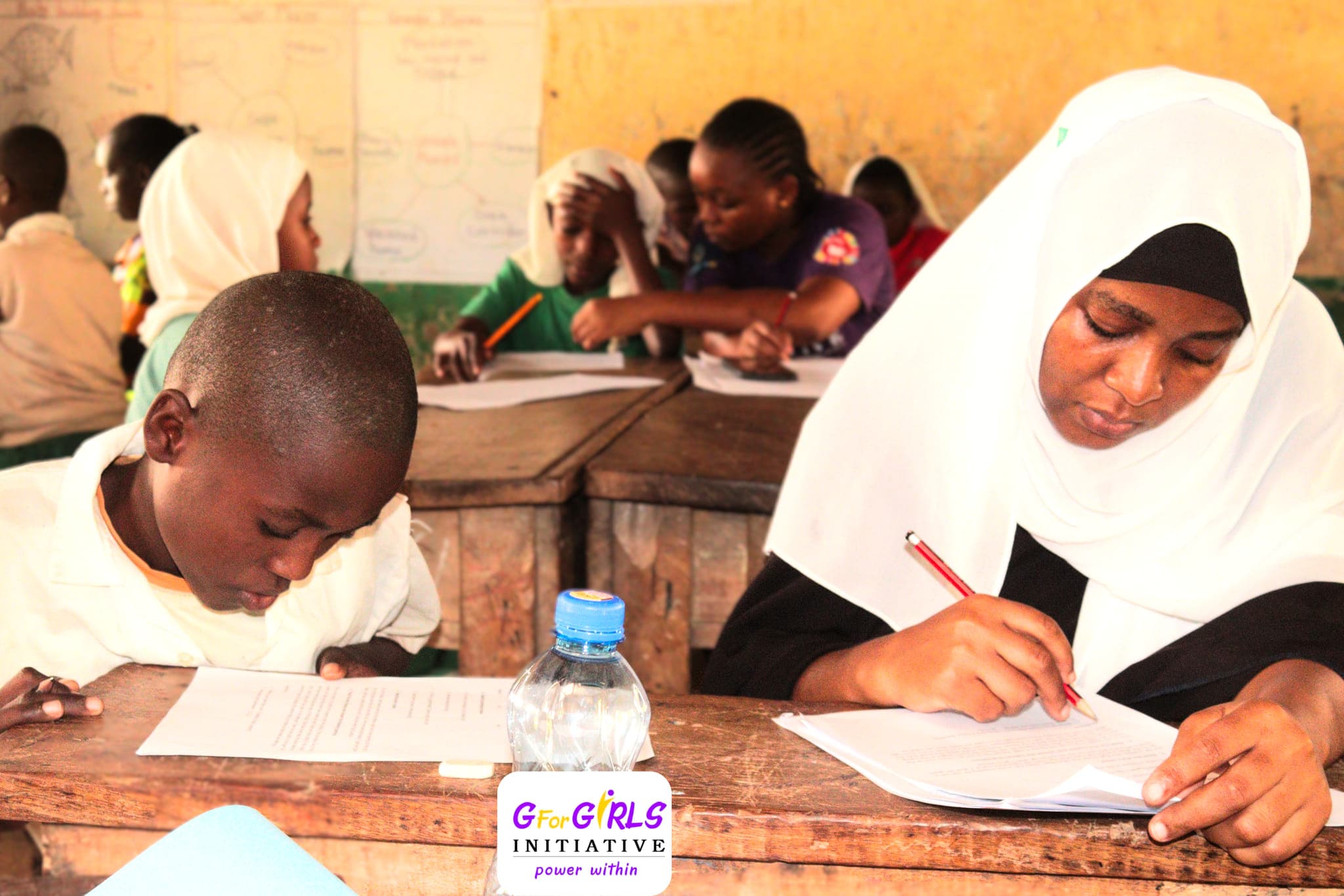
24 January
International Day of Education
Making the case locally for every girl's right to stay in school.
28 May
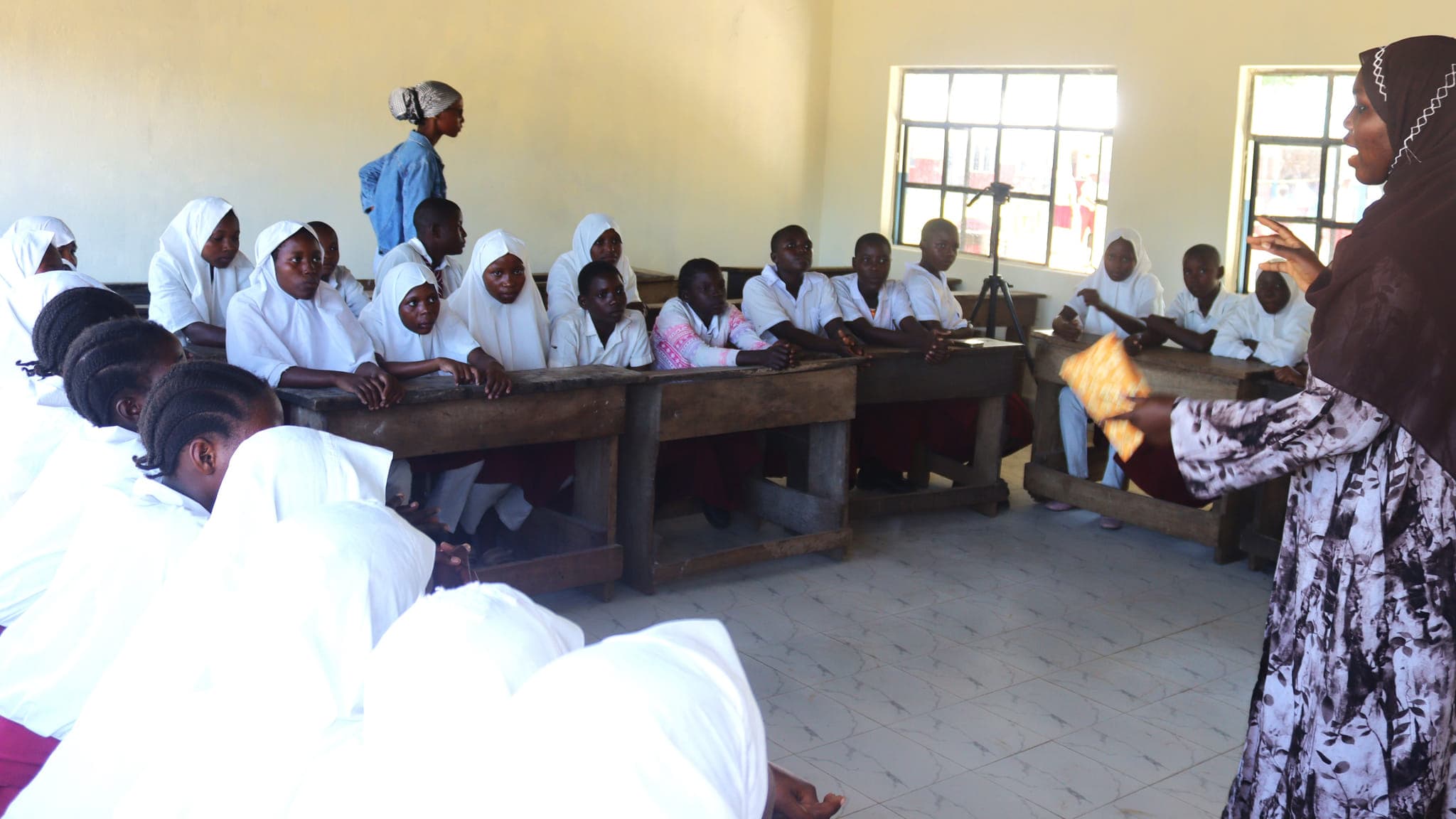
Menstrual Health Awareness Day
Menstrual hygiene and health, taken out of whispers and into the open.
16 June
Day of the African Child
Child rights, with the Directorate of Children Services and local partners.
8 September
International Literacy Day
Marking what our Grade 4 learners have gained, and what is still missing.
Volunteers, schools and partners are welcome on every one of these days.
Get involved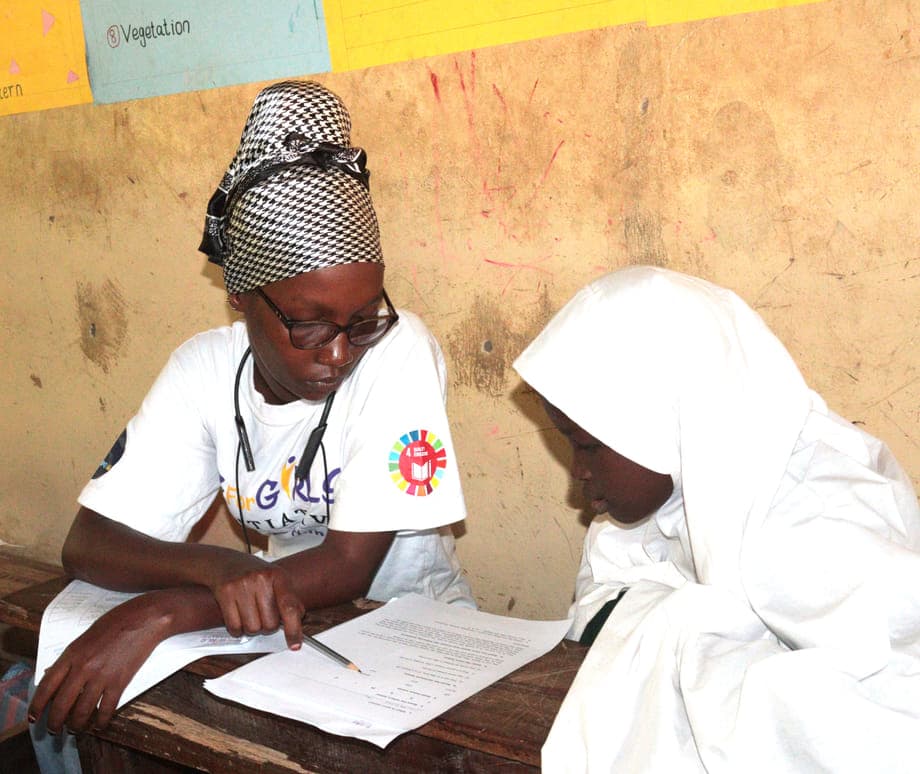
200+
Young people trained since 2022
Measuring Our Work
We check whether it is actually working
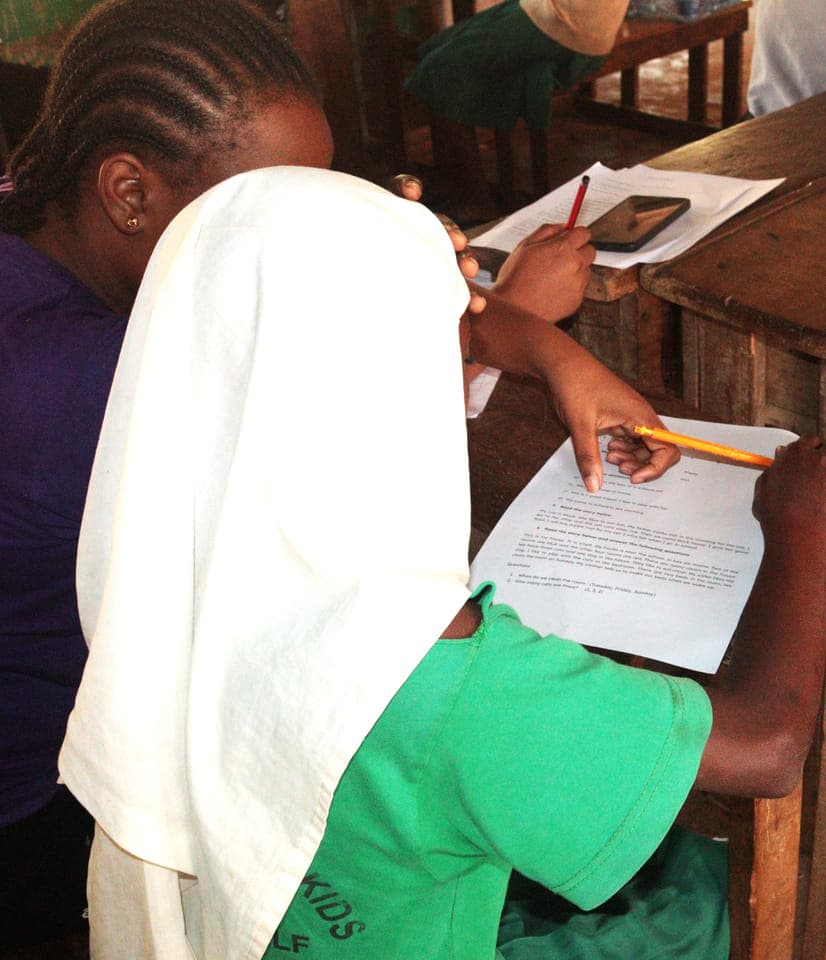
Assessment is part of the camp, not something added at the end. Every learner is tested at the midpoint and again on the last day, and the results go to their teachers so the support carries on after we leave.
How we measure progress
- Nyansapo AI assessments at the midpoint and end of every camp
- Data disaggregated by gender across all programmes
- Annual review against KPIs set by our gender committee

Support Our Work
Keep a girl in school in Vanga ward
What you give pays for the literacy camps, the mentorship sessions and the safeguarding referrals in the five schools we work with.
How your money is handled
Funds sit in the CBO's bank account with committee signatories. The annual report, financial statement and budget are presented to members and adopted at our AGM each December.
- Annual financial statement adopted at the AGM
- No funds are distributed to members as profit