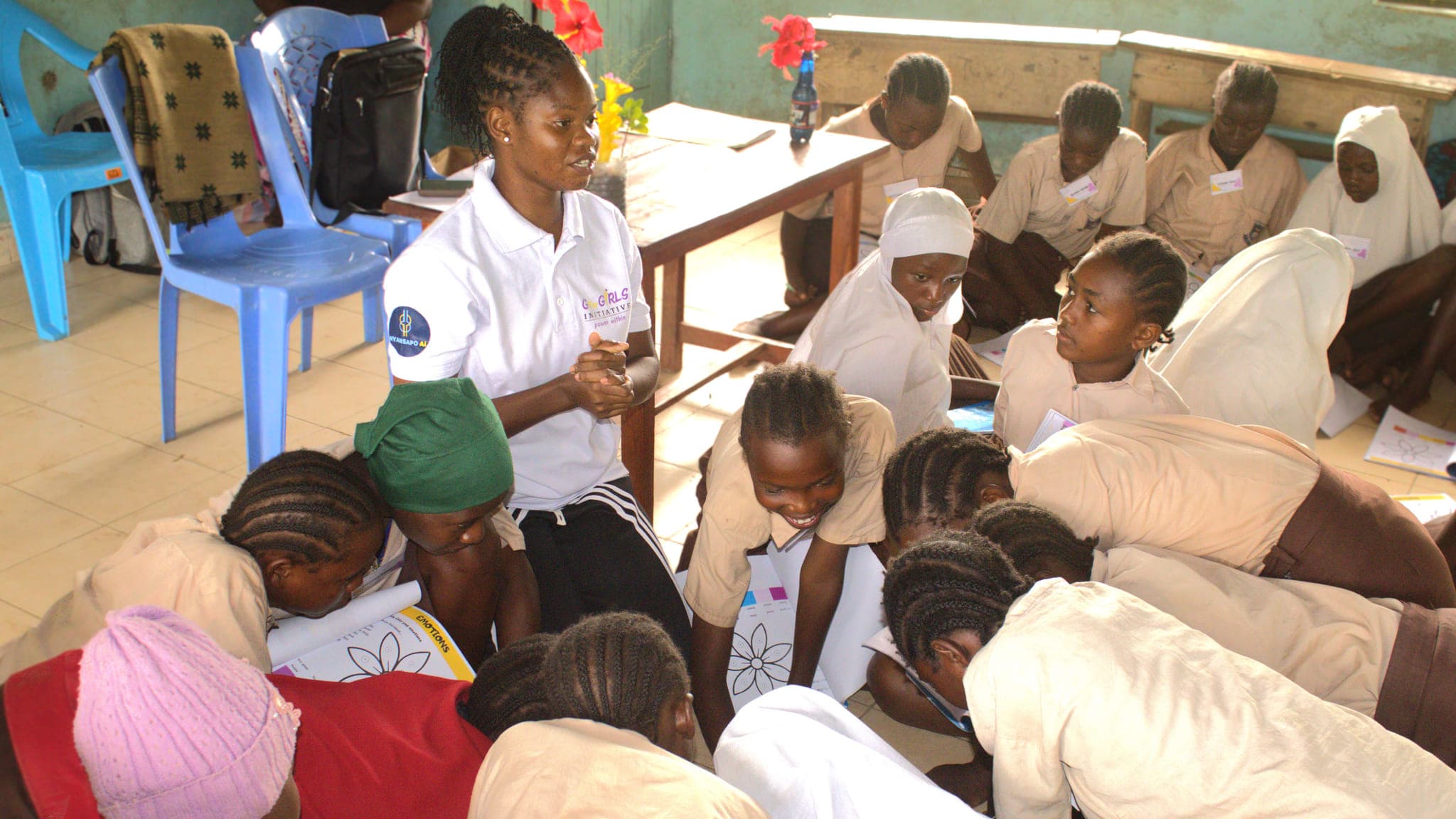

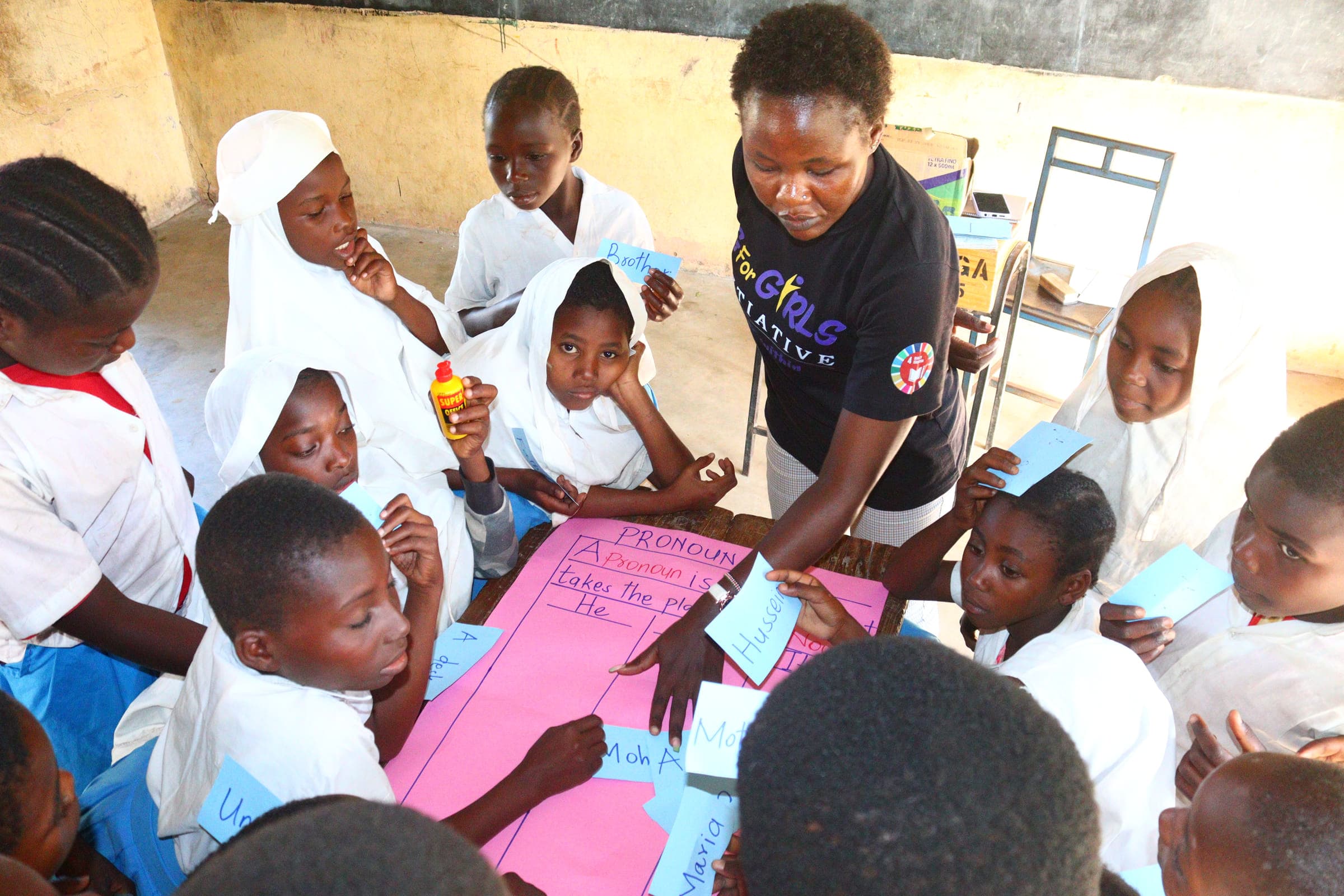
A child is considered literacy-poor if they cannot read and write after the foundational classes, Grade 1 to 3. In the five schools we work with in Vanga ward, over 80% of learners are still at beginner level. That is the gap a literacy camp exists to close: one hour a day, for 25 days, with Grade 4 learners.
Before a camp begins, we partner with Nyansapo AI to assess every learner and place them at Beginner, Letter, Word, Paragraph or Story level. Sessions are then built around each group, so a child spends the hour working at the level they are actually at, not the level their grade assumes.
Who runs the sessions
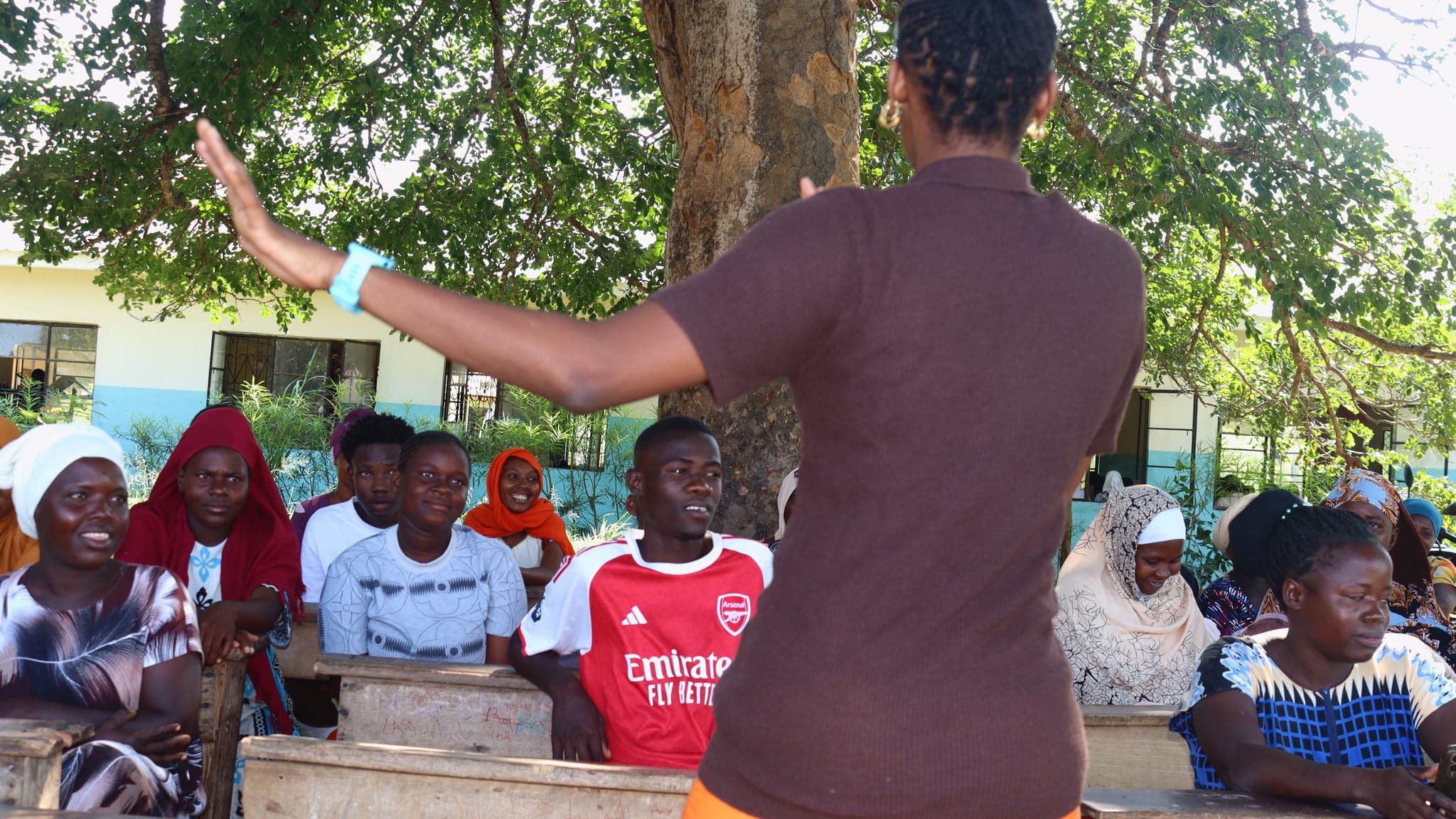
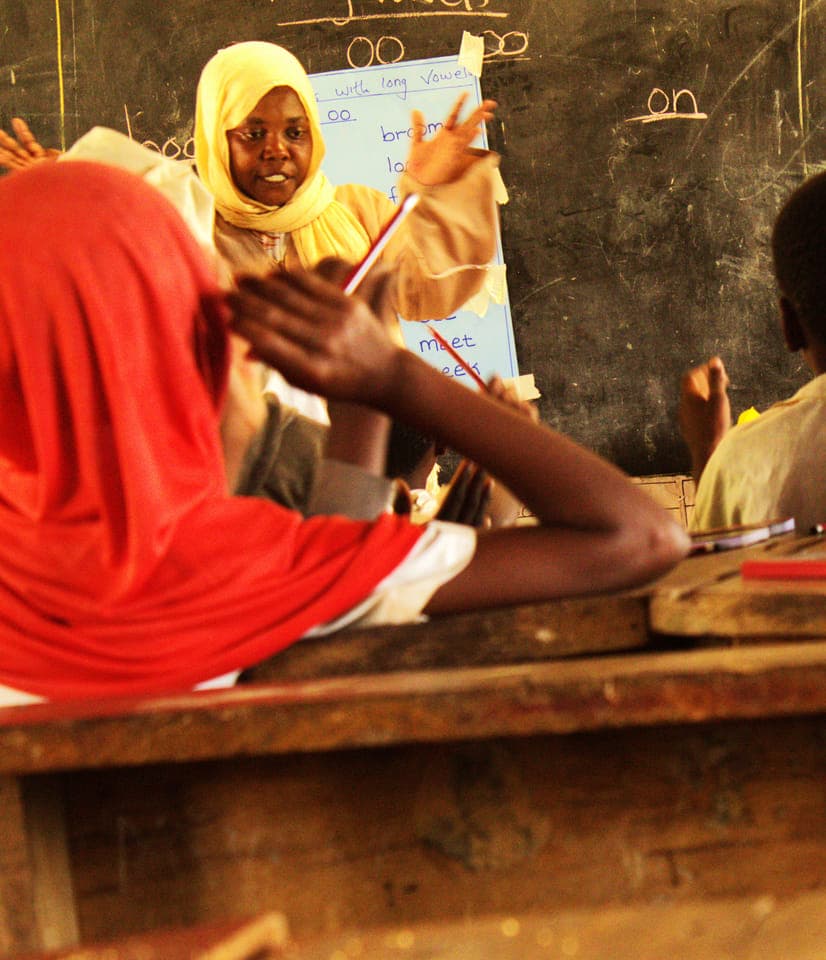
Camps are facilitated by teachers and young volunteers from the community. Every facilitator is trained on our literacy implementation guide, gender mainstreaming, safeguarding and child protection before they work with children.
The guide covers phonics, phonemic awareness, vocabulary, fluency and comprehension, following the basics of reading and writing recommended by the Kenya Institute of Curriculum Development.
How we know it works
Learners are assessed again at the midpoint and at the end of every camp, and the results go back to their teachers so the support continues after we have gone. The average improvement rate has been 75%, meaning learners moving up at least one literacy level during a camp.
One more thing changes during a camp: attendance. Because GGI provides food, absenteeism drops. On an ordinary day, 10 to 20 learners would be missing from school.